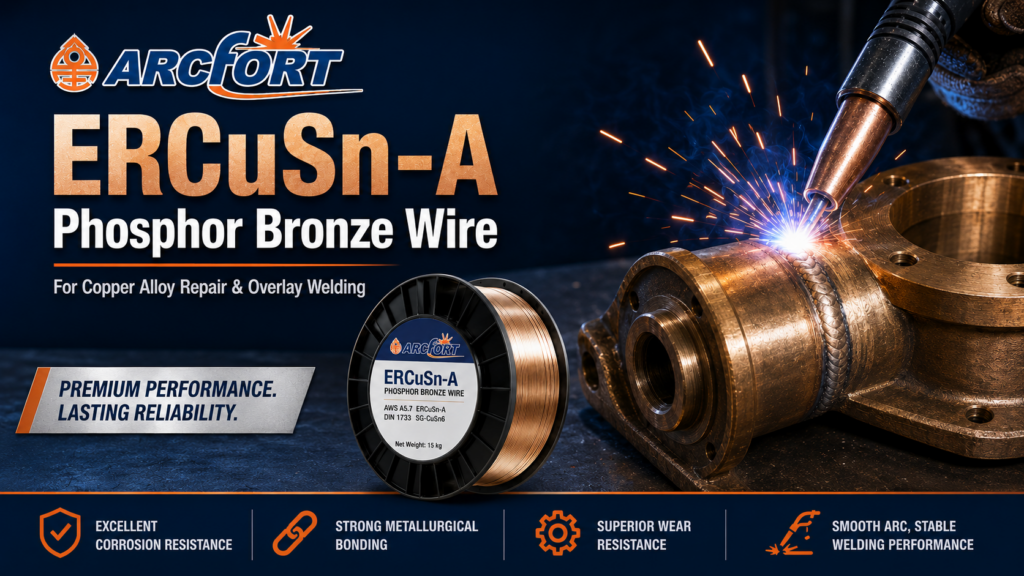
RCuSn-A Phosphor Bronze Wire for Copper Alloy Repair and Overlay Welding

When manufacturers, repair workshops, and welding professionals need a reliable filler metal for copper alloy repair and overlay welding, ERCuSn-A phosphor bronze wire is one of the most practical choices. Designed for welding bronze, brass, copper-tin alloys, and selected copper alloy components, ERCuSn-A offers a strong combination of wear resistance, corrosion resistance, stable weldability, and good color matching with phosphor bronze base metals.
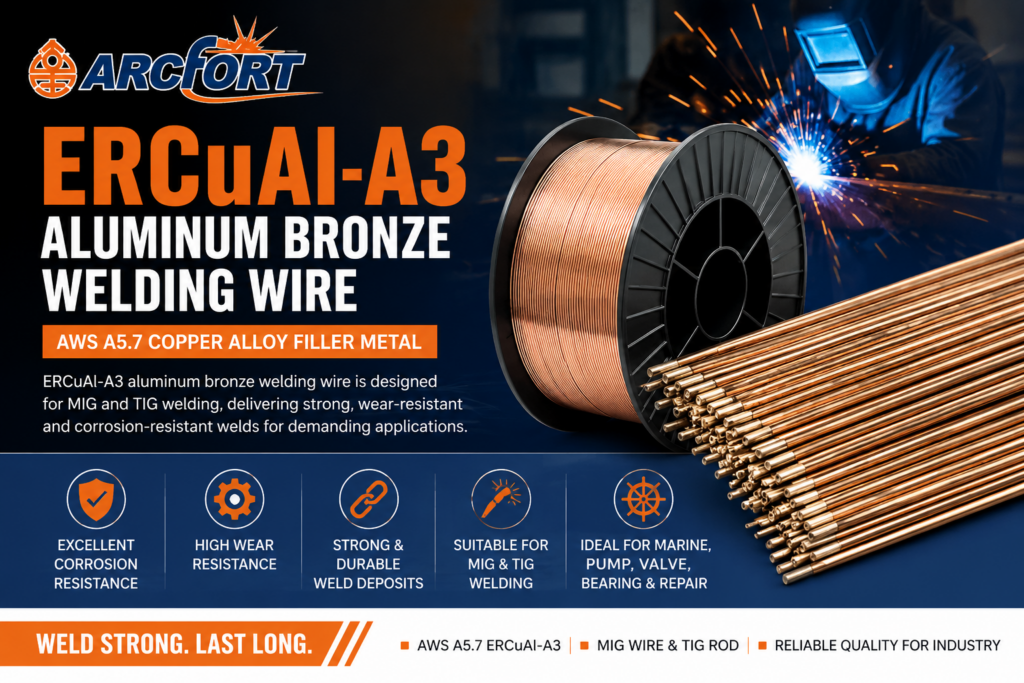
What Is ERCuAl-A3 Aluminum Bronze Welding Wire?

ERCuAl-A3 aluminum bronze welding wire is a copper-based filler metal used for welding, overlaying, repairing, and rebuilding aluminum bronze and related copper alloy components. It is commonly classified under AWS A5.7 ERCuAl-A3 and is suitable for both MIG welding wire and TIG welding rod applications.

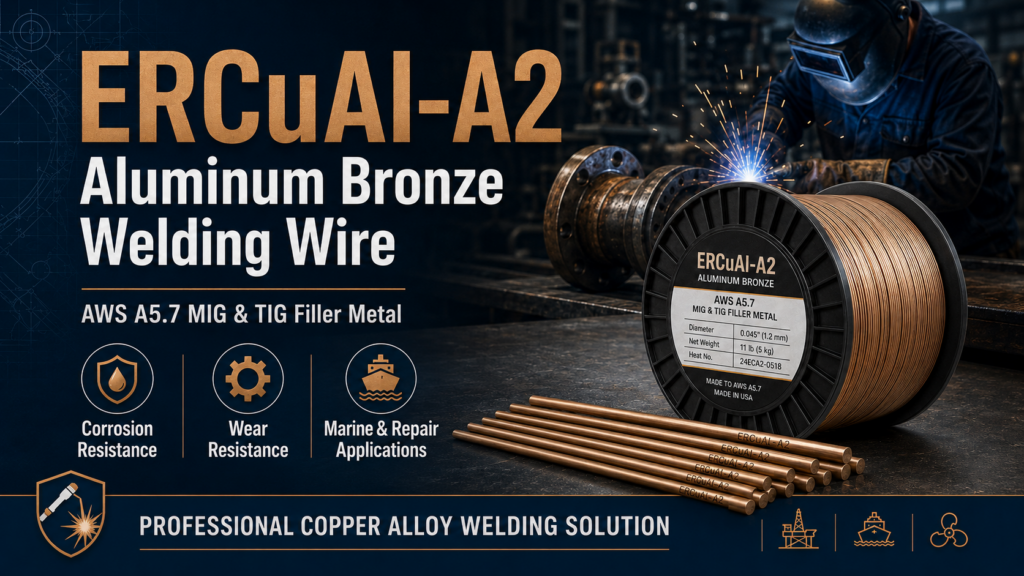
What Is ERCuAl-A2 Aluminum Bronze Welding Wire?

ERCuAl-A2 aluminum bronze welding wire is a copper-based filler metal designed for welding, overlaying, and repairing aluminum bronze, manganese bronze, brass, copper alloys, steel, cast iron, and selected dissimilar metals. It is commonly classified under AWS A5.7 ERCuAl-A2 and is available for both MIG welding / GMAW and TIG welding / GTAW applications.

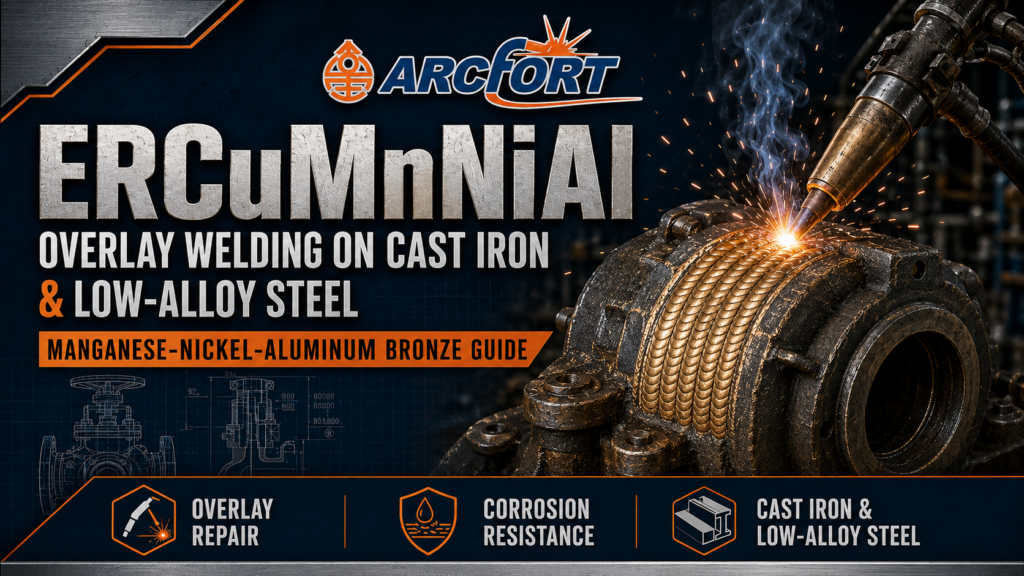
ERCuMnNiAl Overlay Welding on Cast Iron and Low-Alloy Steel

Overlay welding is often used when a component needs a stronger, harder, or more corrosion-resistant surface. Instead of replacing the whole part, a suitable weld metal is deposited onto the surface. This helps restore worn areas, protect the base metal, and improve service life.

For demanding repair and surfacing work, ERCuMnNiAl is an important copper alloy filler metal.

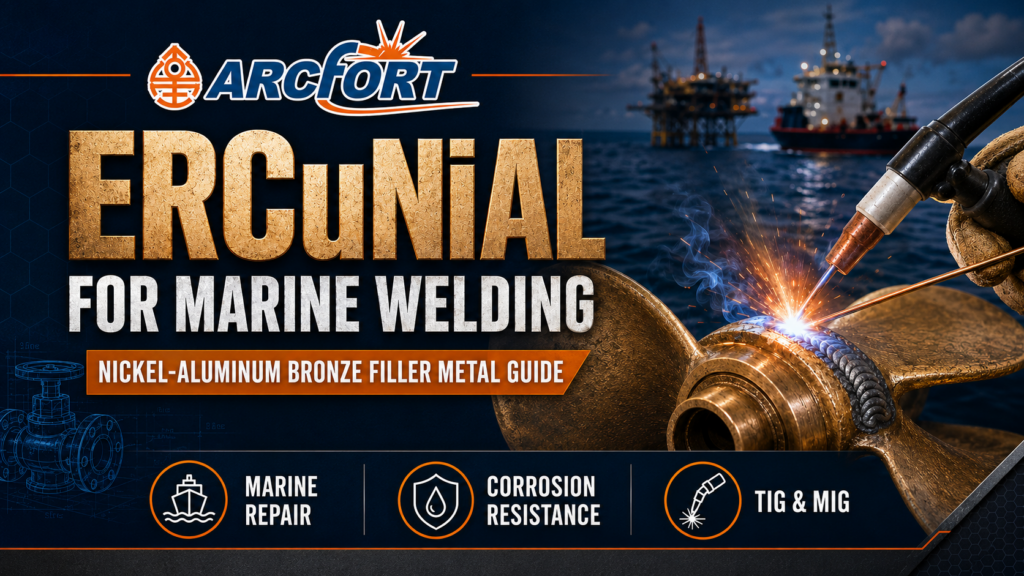
ERCuNiAl for Marine Welding: Nickel-Aluminum Bronze Filler Metal Guide

Marine welding is one of the most demanding areas in metal fabrication. Welded components must resist seawater, erosion, vibration, impact, and long-term mechanical stress. In this environment, filler metal selection is not only about joining metal. It is also about service life, corrosion resistance, and reliability.

This is where ERCuNiAl becomes important.

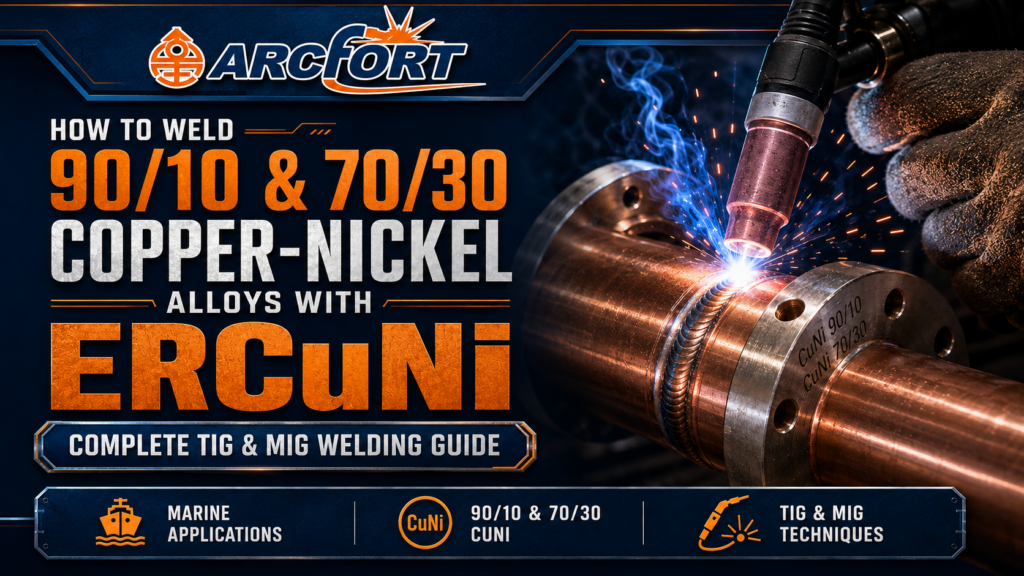
How to Weld 90/10 and 70/30 Copper-Nickel Alloys with ERCuNi

Copper-nickel alloys are widely used in marine, offshore, desalination, shipbuilding, heat exchanger, and seawater piping applications. Among the most common grades are 90/10 copper-nickel and 70/30 copper-nickel, both valued for their corrosion resistance in seawater and industrial environments. When these alloys need to be welded, one of the most important choices is the filler metal. For many TIG and MIG welding applications, the preferred filler is ERCuNi.

How to Weld Deoxidized Copper with ERCu: Complete TIG and MIG Welding Guide

Welding copper is not the same as welding carbon steel, stainless steel, or aluminum. Copper moves heat extremely fast, reacts differently under the arc, and requires careful control of preheat, filler metal, shielding gas, and travel speed. For deoxidized copper, one of the most commonly used filler metals is ERCu, an AWS A5.7 copper filler metal designed for welding high-copper base metals and copper alloys.

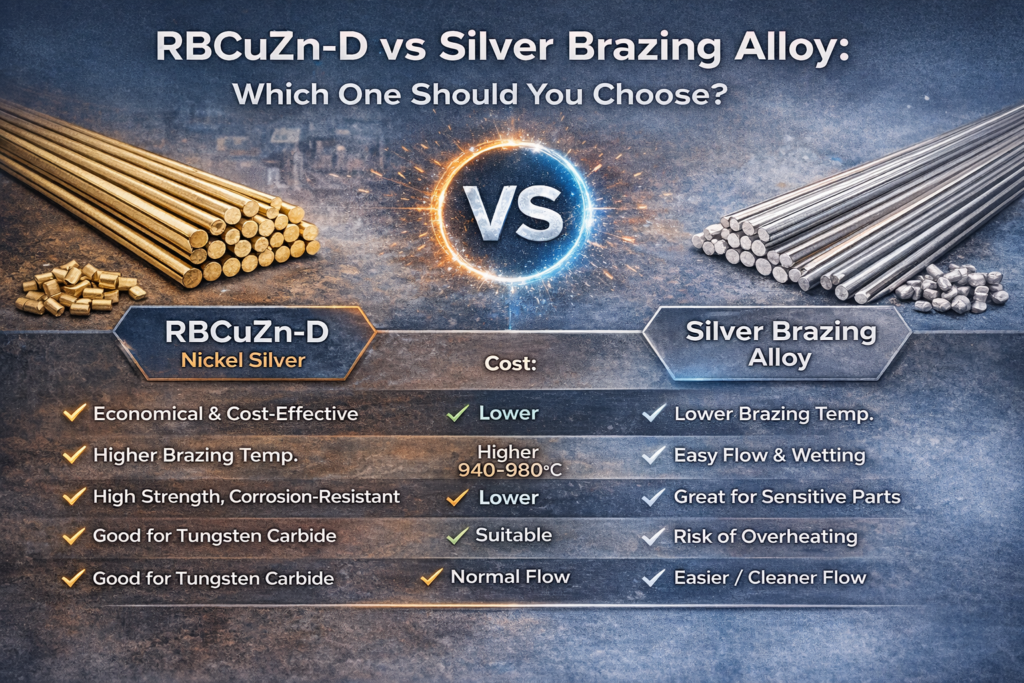
RBCuZn-D vs Silver Brazing Alloy: Which One Should You Choose?

If you are comparing RBCuZn-D vs silver brazing alloy, you are probably trying to answer a practical question, not a theoretical one: which filler metal gives the best balance of cost, brazing temperature, strength, and application fit? That is exactly where this comparison matters.

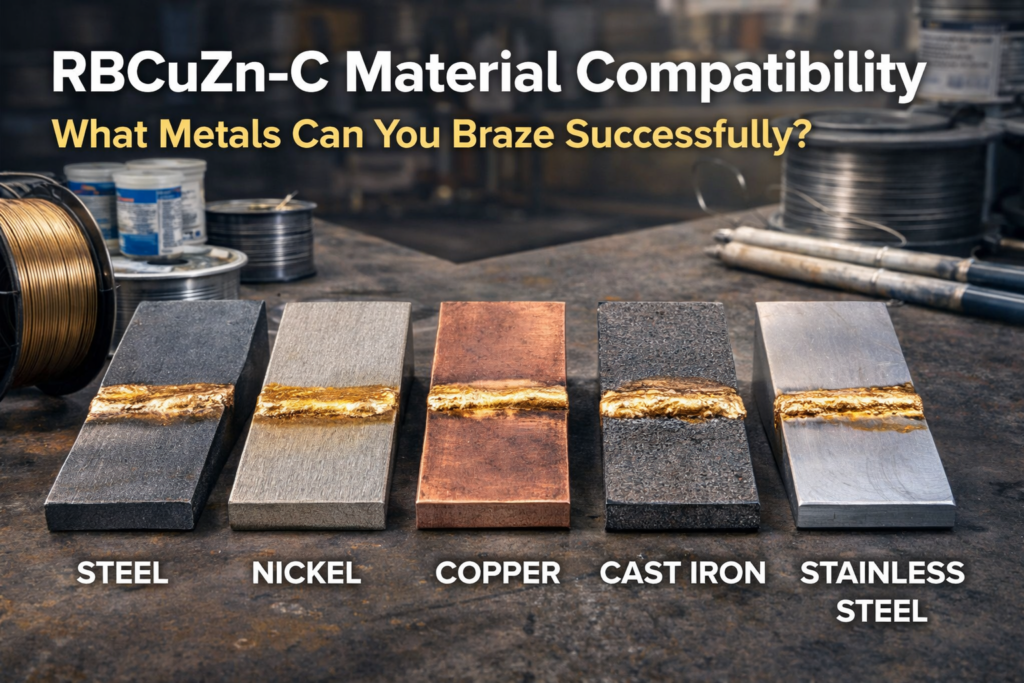
RBCuZn-C Material Compatibility: What Metals Can You Braze Successfully?

When engineers, buyers, and fabrication teams search for a versatile low fuming bronze filler metal, one of the first questions they ask is simple: what metals is RBCuZn-C actually compatible with? That question matters because material compatibility affects joint strength, wetting behavior, service life, and production consistency. 

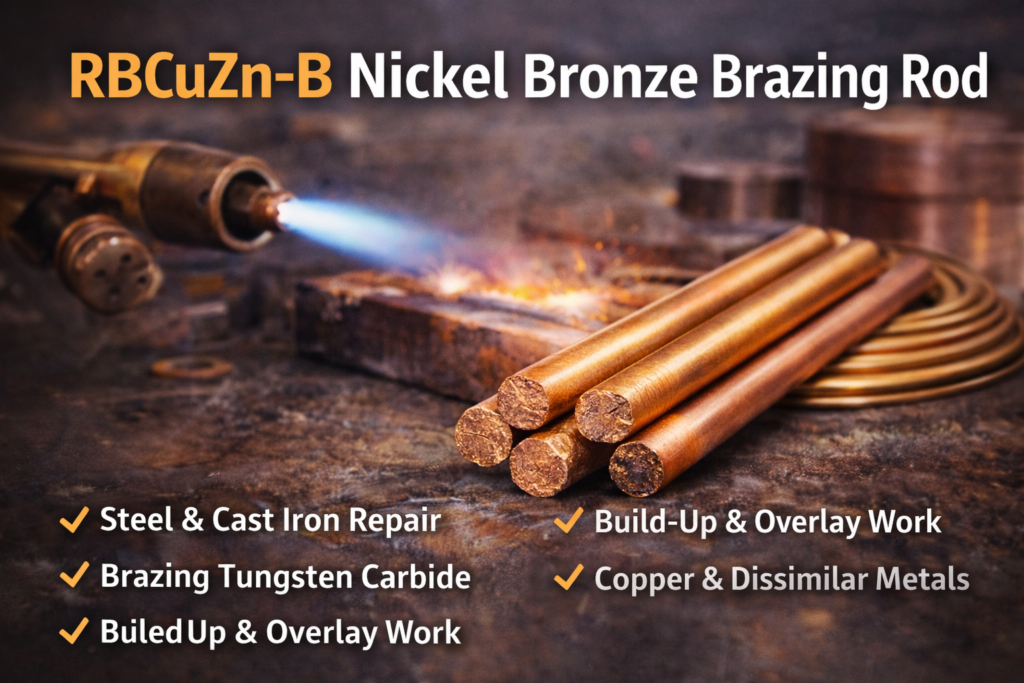
RBCuZn-B Nickel Bronze Brazing Rod | AWS A5.8 Filler Metal

RBCuZn-B nickel bronze brazing rod sits in a useful middle ground between general-purpose bronze filler metals and more specialized brazing alloys. In real workshop practice, it is chosen when the joint needs more than simple fill, but does not necessarily call for a high-silver alloy. 

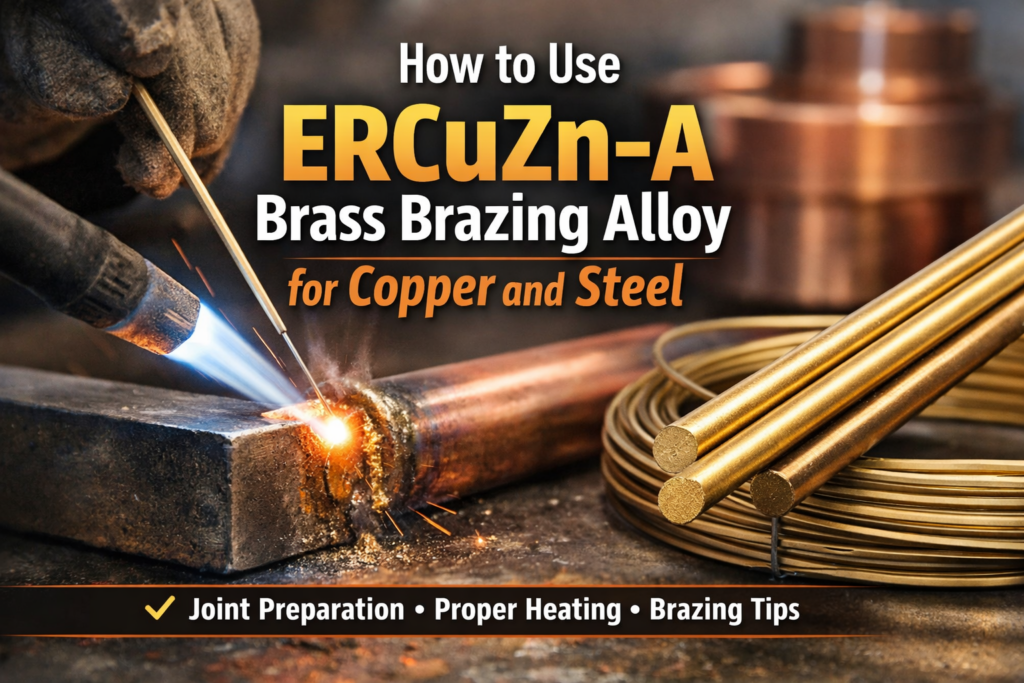
How to Use ERCuZn-A Brass Brazing Alloy for Copper and Steel

ERCuZn-A brass brazing alloy is widely used for joining copper and steel in repair, fabrication, and industrial maintenance. It offers good flow characteristics, reliable bonding strength, and strong adaptability for dissimilar metal joining. When used correctly, ERCuZn-A can help create durable joints with smooth bead appearance and solid mechanical performance.

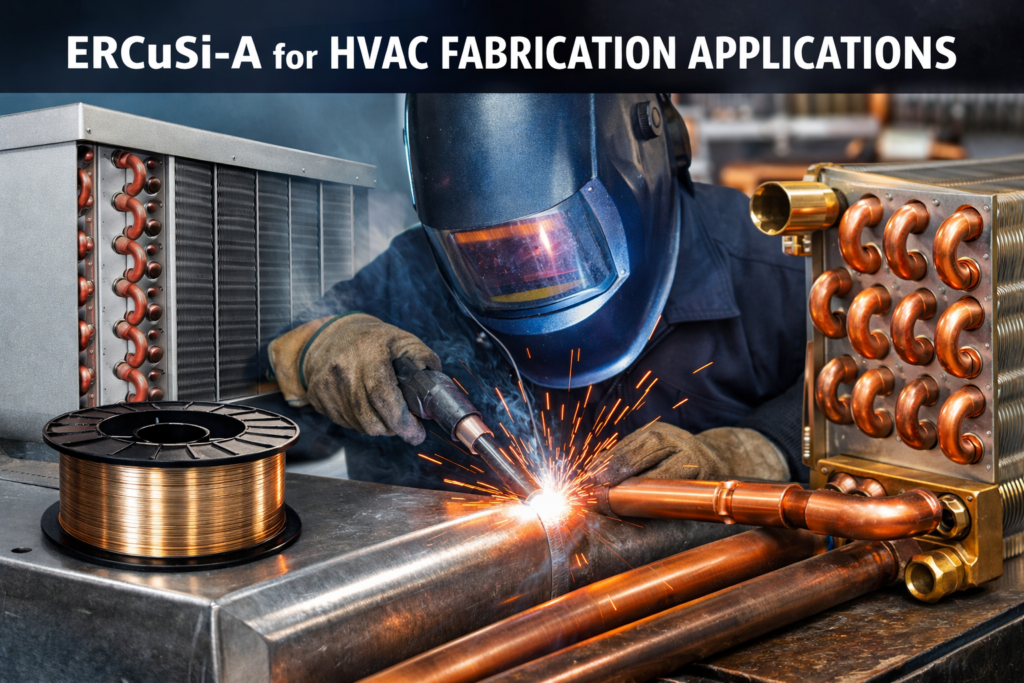
ERCuSi-A in HVAC, Heat Exchangers and Copper Fabrication

Copper and copper alloys are widely used in HVAC and heat-exchanger systems because they offer high thermal conductivity, good corrosion resistance, and practical manufacturability in heating and cooling equipment. At the same time, ERCuSi-A is classified under AWS A5.7 as a silicon-bronze filler metal used for welding and brazing applications involving copper alloys, light-gauge steel, galvanized steel, and some corrosion-resistant surfacing work.

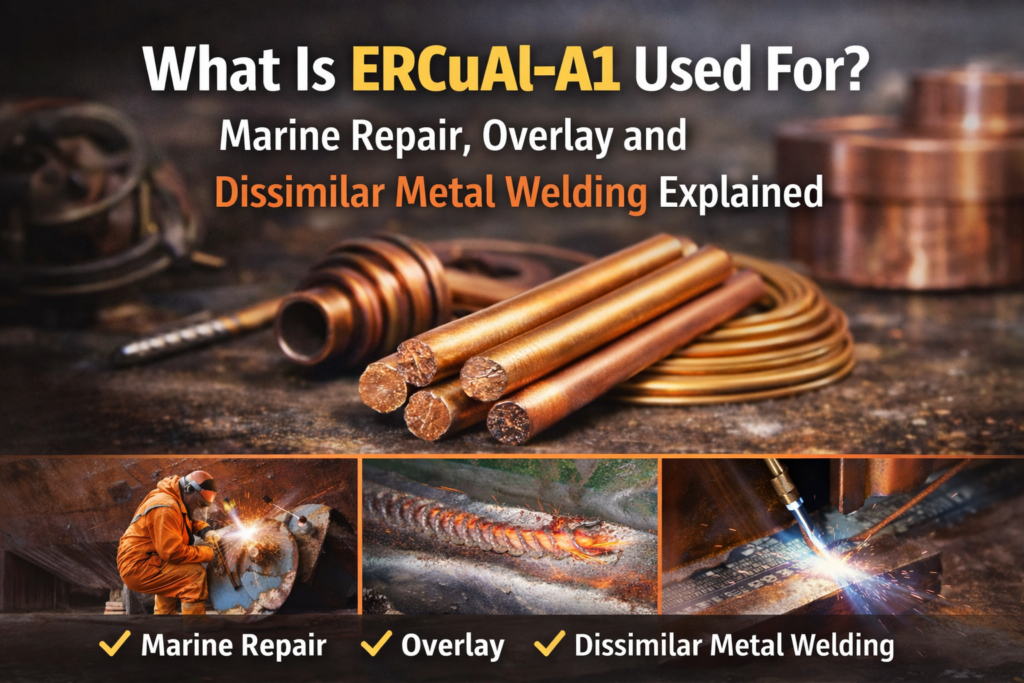
What Is ERCuAl-A1 Used For? Marine Repair, Overlay and Dissimilar Metal Welding Explained

It is classified under AWS A5.7 / ASME SFA-5.7, and equivalent designations in current product literature include EN ISO 24373 S Cu 6100 (CuAl7)

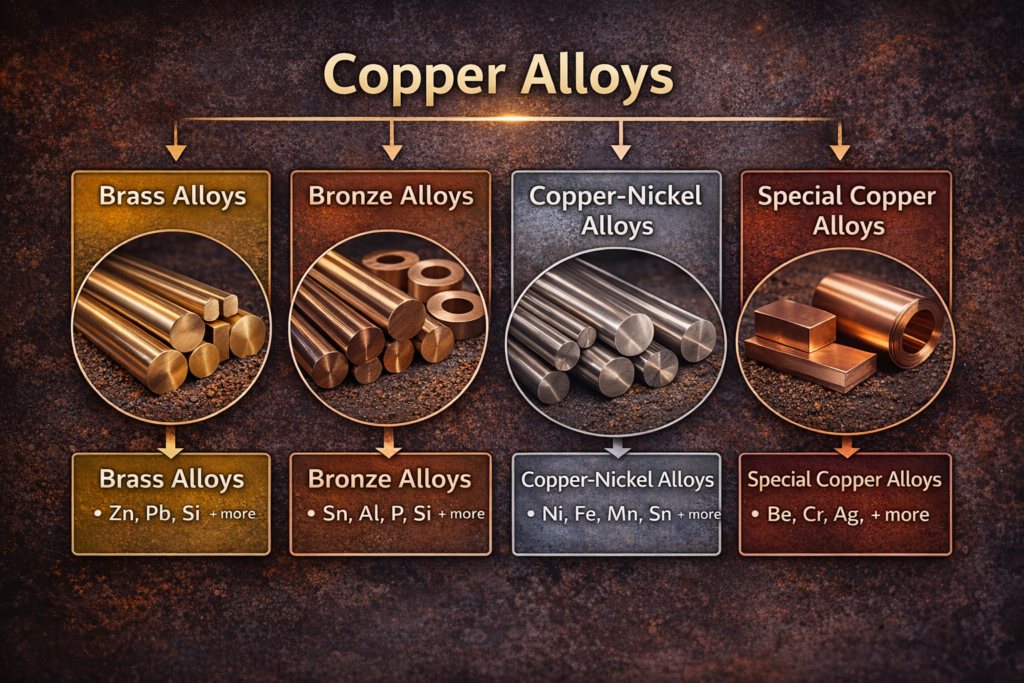
Copper alloy welding materials are typically classified based on their primary alloying elements to match or complement the properties of the base material being welded (such as colour, strength, corrosion resistance, and electrical conductivity). The following diagram clearly illustrates the main classifications and their relationships:

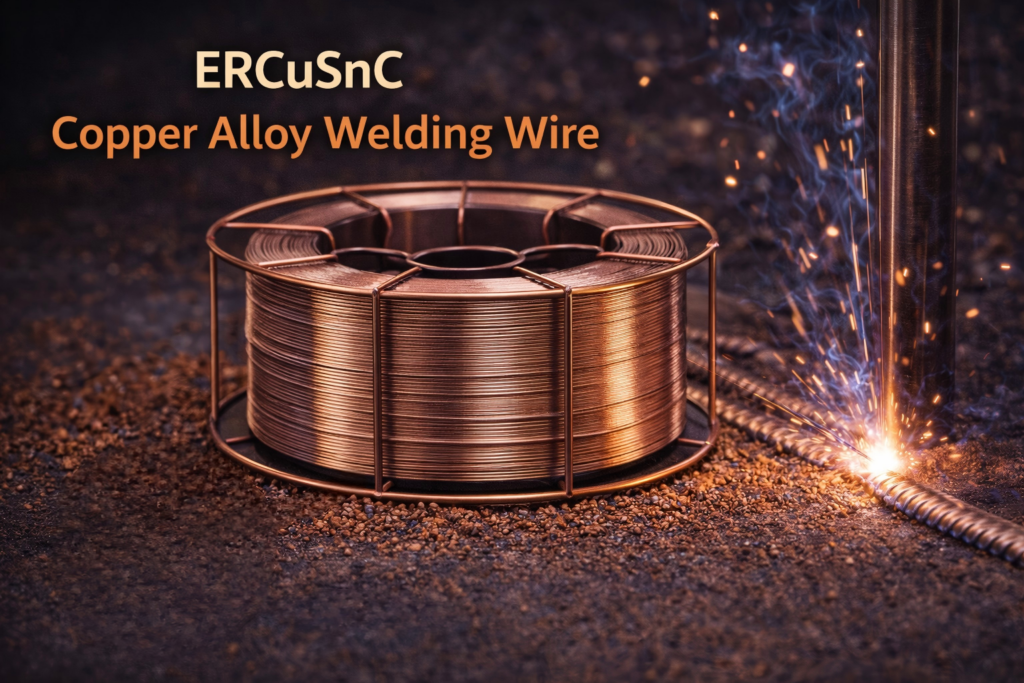
ERCuSn-C (also known as S213, SCu5210, etc.) is a phosphor bronze welding wire widely used in welding and overlaying specific metals due to its excellent
performance. Below, I will provide a detailed introduction to the characteristics, applications, handling tips, and relevant standards of ERCuSn-C welding wire.