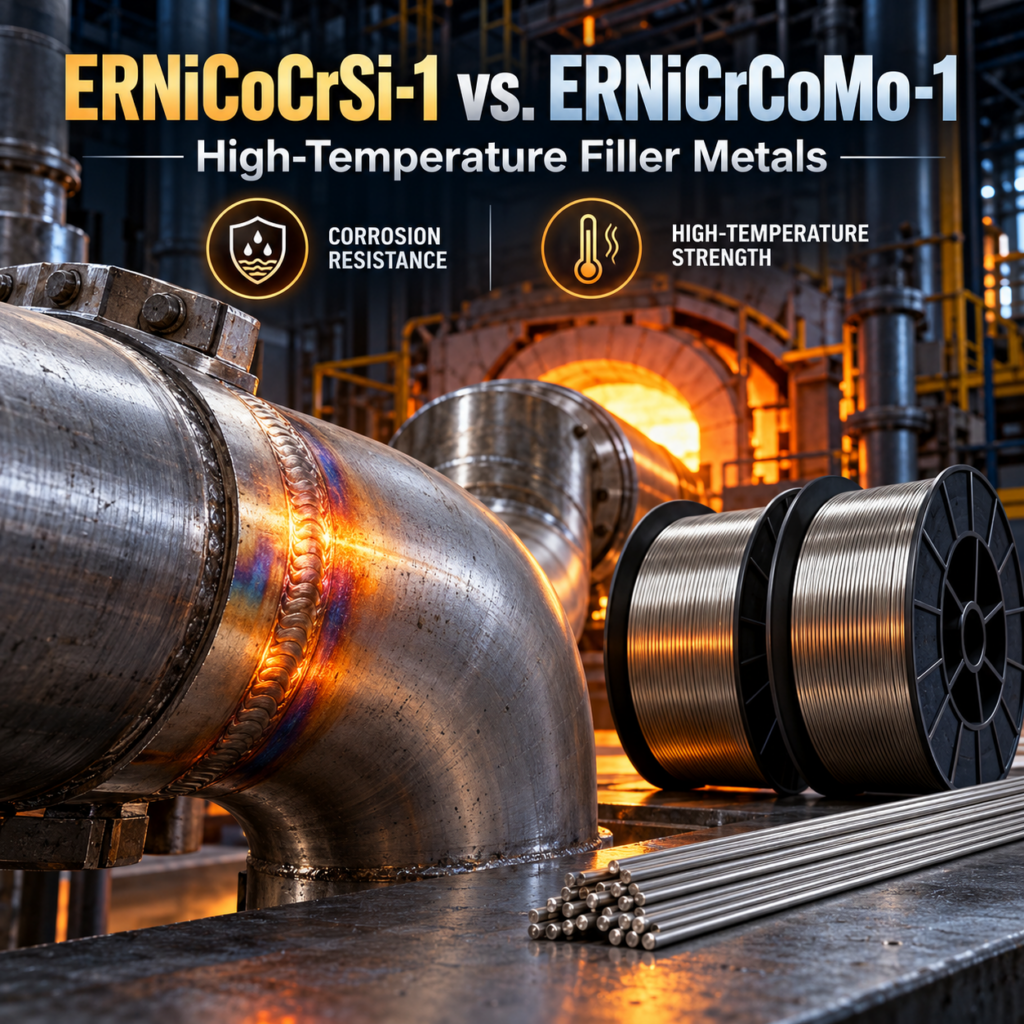
ERNiCoCrSi-1 vs. ERNiCrCoMo-1: Comparing High-Temperature Filler Metals

Choosing a filler metal for high-temperature service requires more than checking its maximum operating temperature. The right choice also depends on the service atmosphere, mechanical loading, base material, and expected component life.ERNiCoCrSi-1 and ERNiCrCoMo-1 are both nickel-based filler metals, but they address different design priorities. ERNiCoCrSi-1 is often considered when resistance to aggressive high-temperature corrosion is a primary concern. ERNiCrCoMo-1 is commonly selected when elevated-temperature strength and oxidation resistance are central requirements.

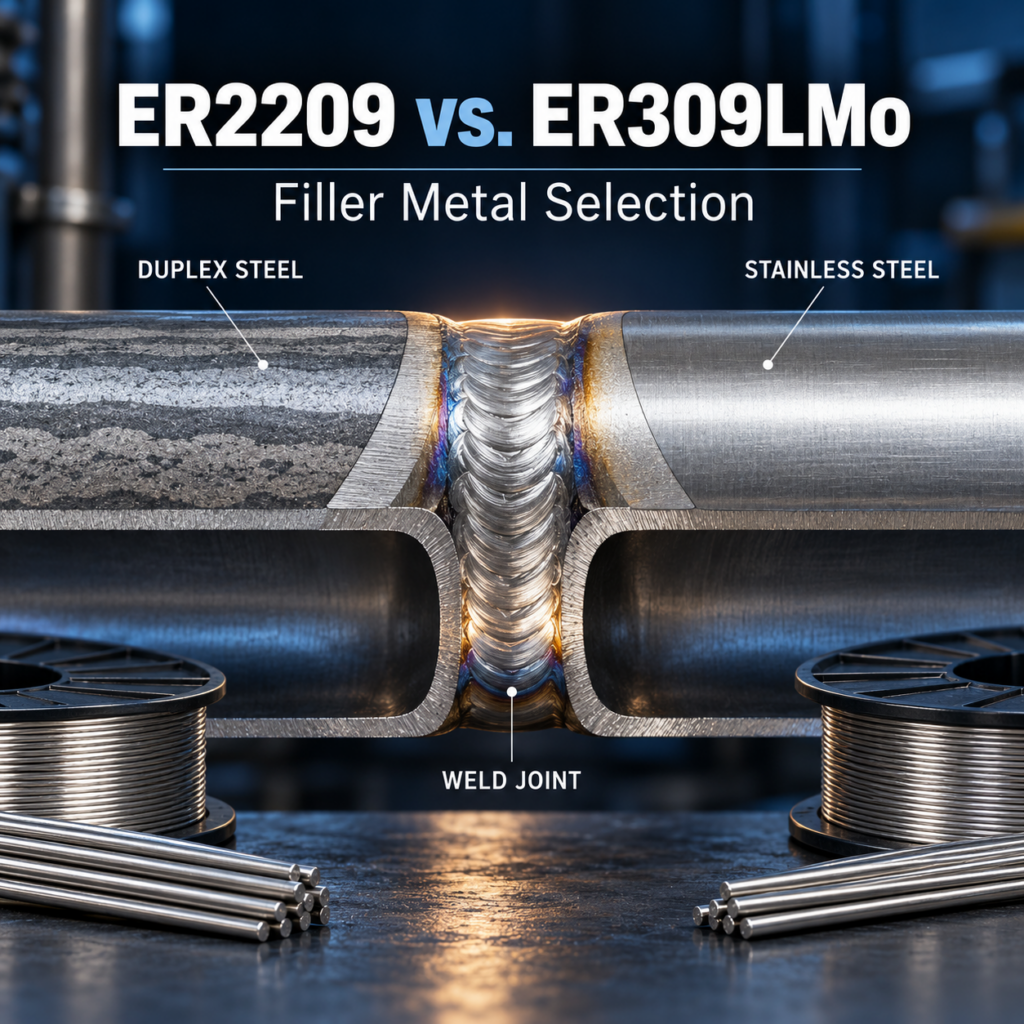
ER2209 vs. ER309LMo: Filler Metal Selection for Duplex-to-Stainless Steel Joints

Choosing between ER2209 and ER309LMo can be challenging when welding duplex stainless steel to an austenitic stainless steel such as 304L or 316L. Both filler metals can be considered for certain dissimilar joints, but they are designed around different metallurgical objectives.ER2209 is a duplex filler metal commonly used with 2205 stainless steel. ER309LMo is a molybdenum-bearing, predominantly austenitic filler metal used in a range of dissimilar welding applications. The right choice depends on the base metals, weld dilution, required strength, corrosion exposure, and the results of welding procedure qualification.

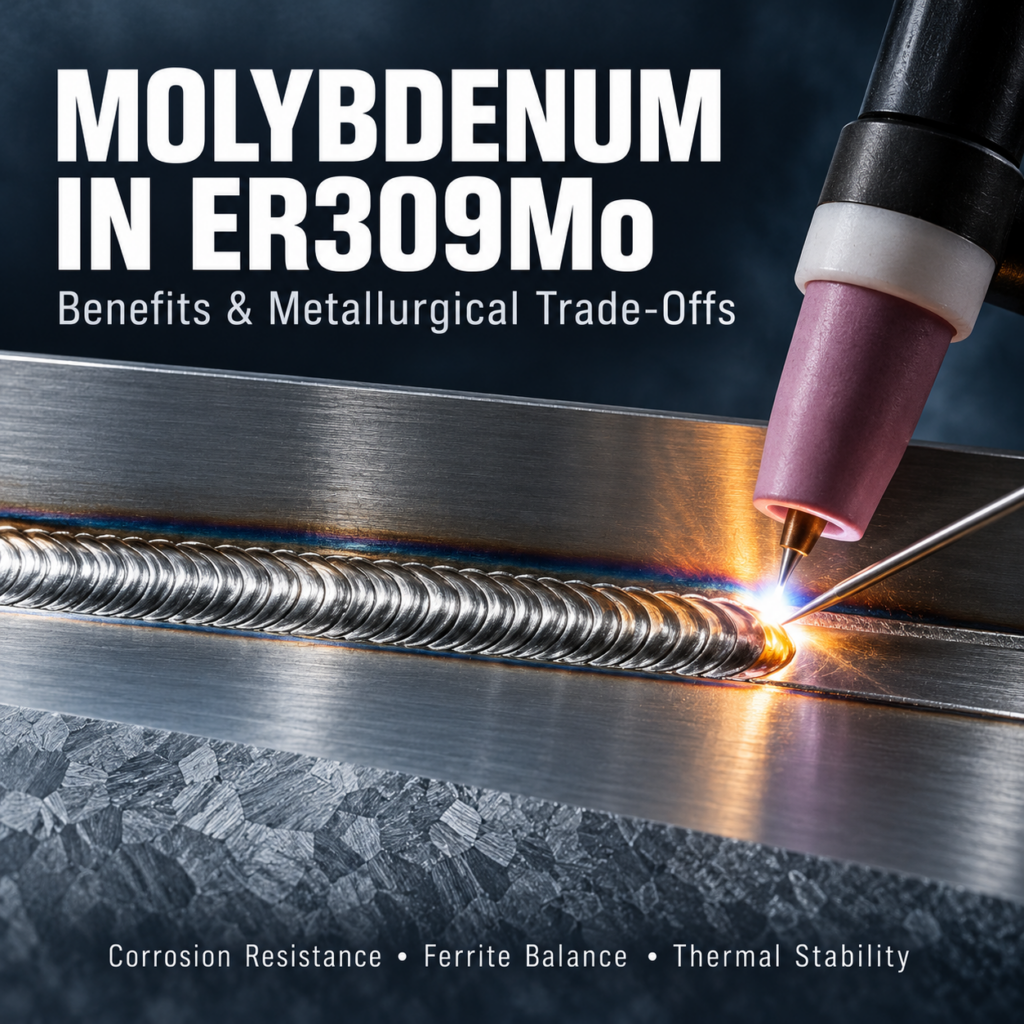
Molybdenum in ER309Mo: Benefits and Metallurgical Trade-Offs

Molybdenum gives ER309Mo an important advantage over molybdenum-free 309-type filler metals: it improves resistance to localized corrosion in suitable environments. However, its influence extends beyond corrosion. Molybdenum also affects ferrite formation, chemical segregation, and the potential development of brittle intermetallic phases during thermal exposure.These effects make ER309Mo selection a balancing exercise. The goal is to obtain a sound weld with the required deposited chemistry and service performance—not simply to maximize molybdenum content.

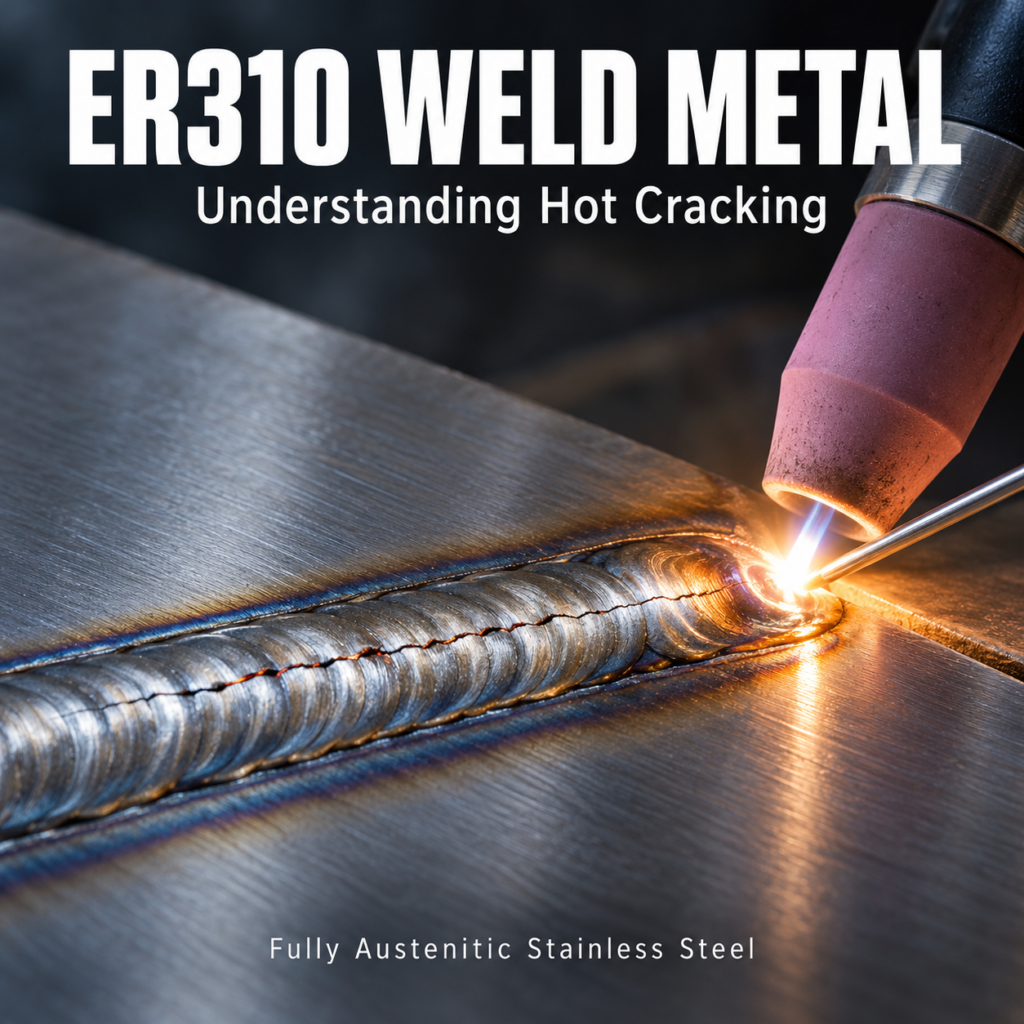
ER310 Weld Metal: Why Fully Austenitic Welds Can Hot Crack

ER310 weld metal can develop hot cracks because its fully austenitic solidification behavior allows weak, liquid-rich boundaries to persist while the weld contracts. When shrinkage and joint restraint impose more strain than those boundaries can accommodate, the solidifying metal separates.This susceptibility does not mean ER310 inevitably cracks. It means that filler metal chemistry, dilution, weld pool shape, cleanliness, and restraint need careful control.Understanding how these factors interact helps explain why a procedure can produce sound welds on one joint and centerline cracks on another.

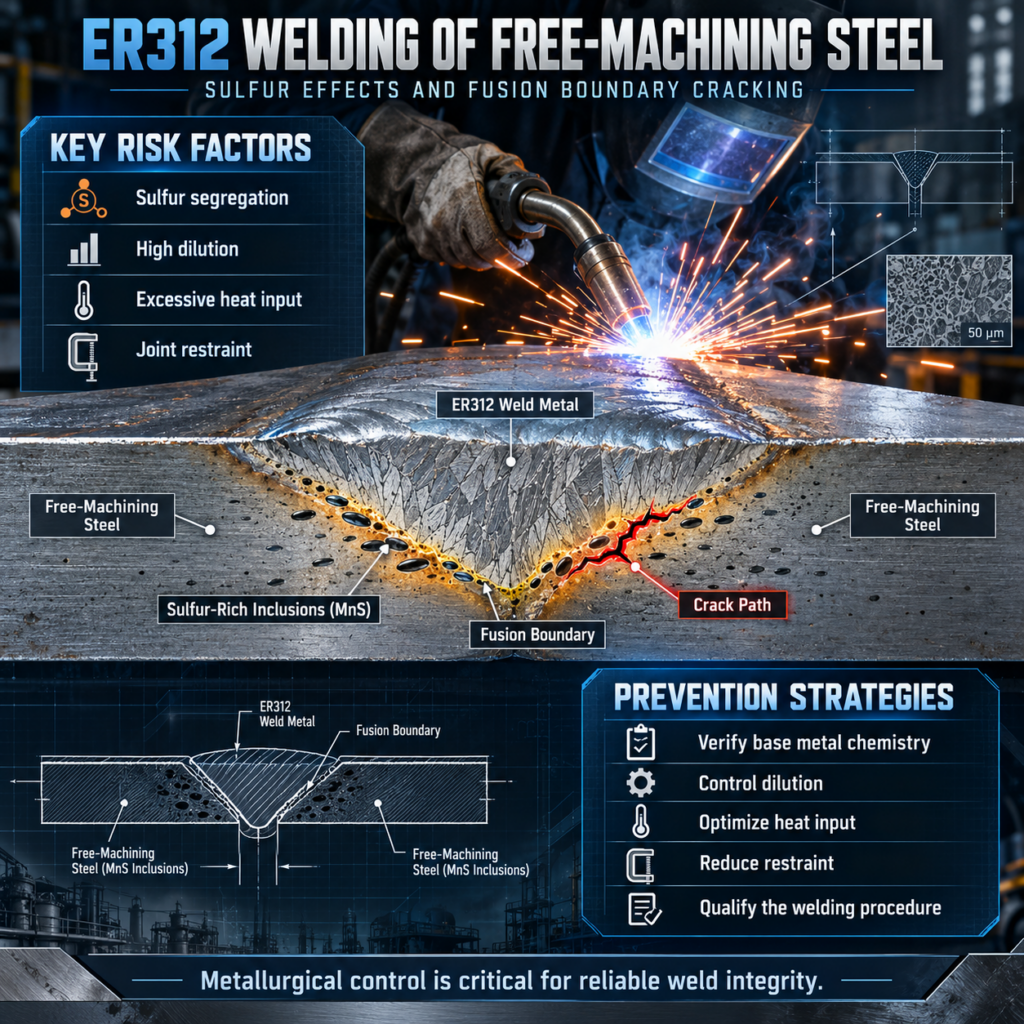
ER312 Welding of Free-Machining Steel: Sulfur Effects and Fusion Boundary Cracking

ER312 welding of free-machining steel presents unique metallurgical challenges because sulfur, an element intentionally added to improve machinability, can increase the risk of cracking during welding. Although ER312 stainless steel filler metal is often selected for joining dissimilar metals and repairing difficult-to-weld steels, its performance depends heavily on the base metal composition, dilution rate, welding parameters, and joint conditions.

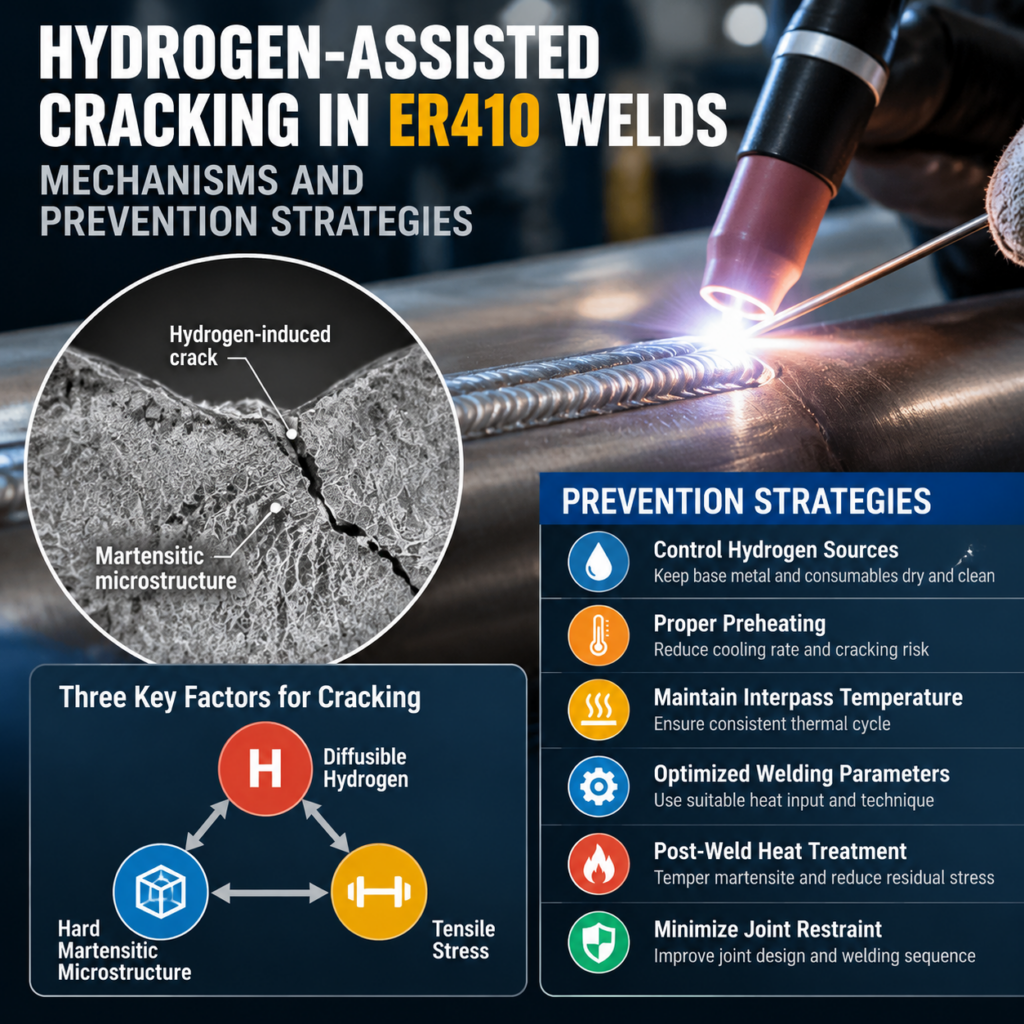
Hydrogen-Assisted Cracking in ER410 Welds: Mechanisms and Prevention Strategies

Hydrogen-assisted cracking in ER410 welds is a significant concern when joining martensitic stainless steel components. Although ER410 welding wire is designed to provide a weld deposit with a chemical composition similar to Type 410 stainless steel, its hardening characteristics can increase susceptibility to cracking during cooling and after welding.

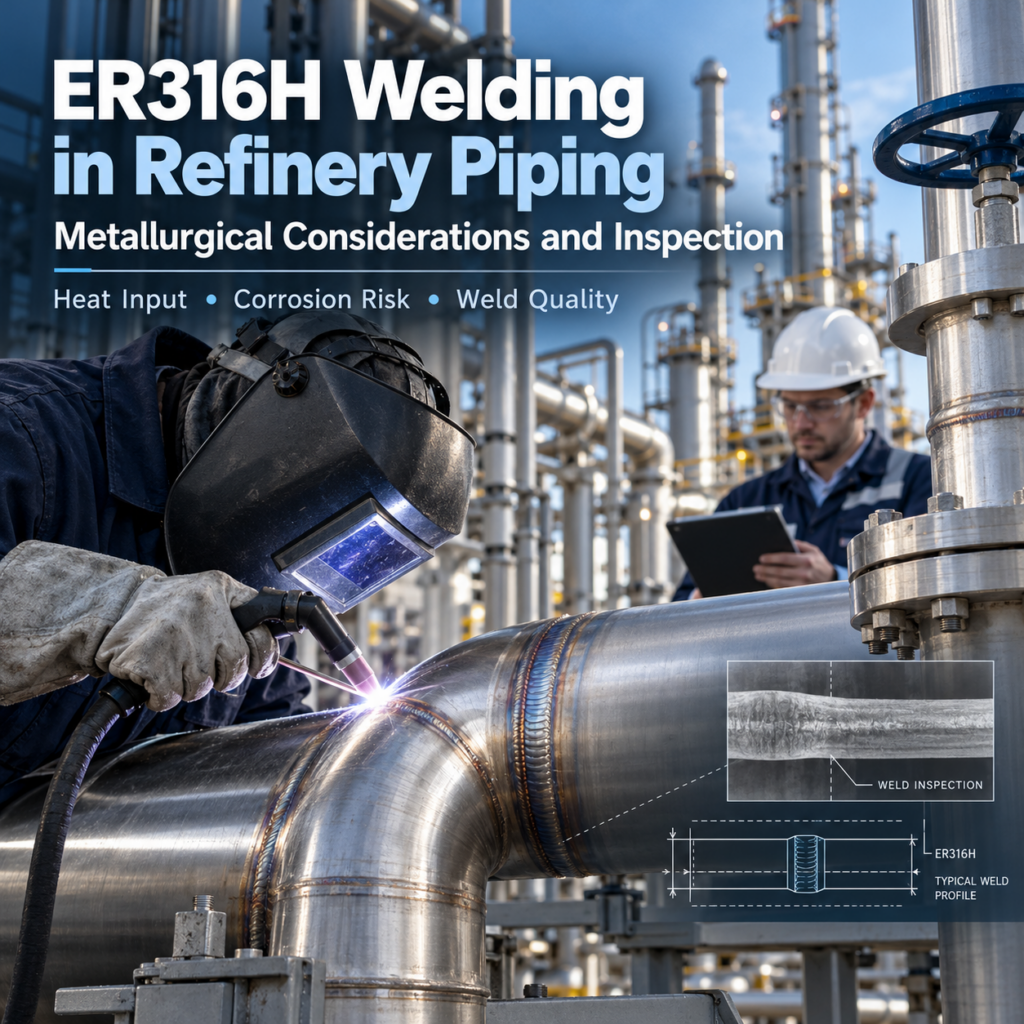
ER316H Welding in Refinery Piping: Metallurgical Considerations and Inspection

Refinery piping systems operate under demanding conditions that may include elevated temperatures, corrosive process fluids, pressure fluctuations, and repeated thermal cycling. Selecting the appropriate stainless steel filler metal and controlling the welding process are essential for maintaining piping integrity throughout its service life.

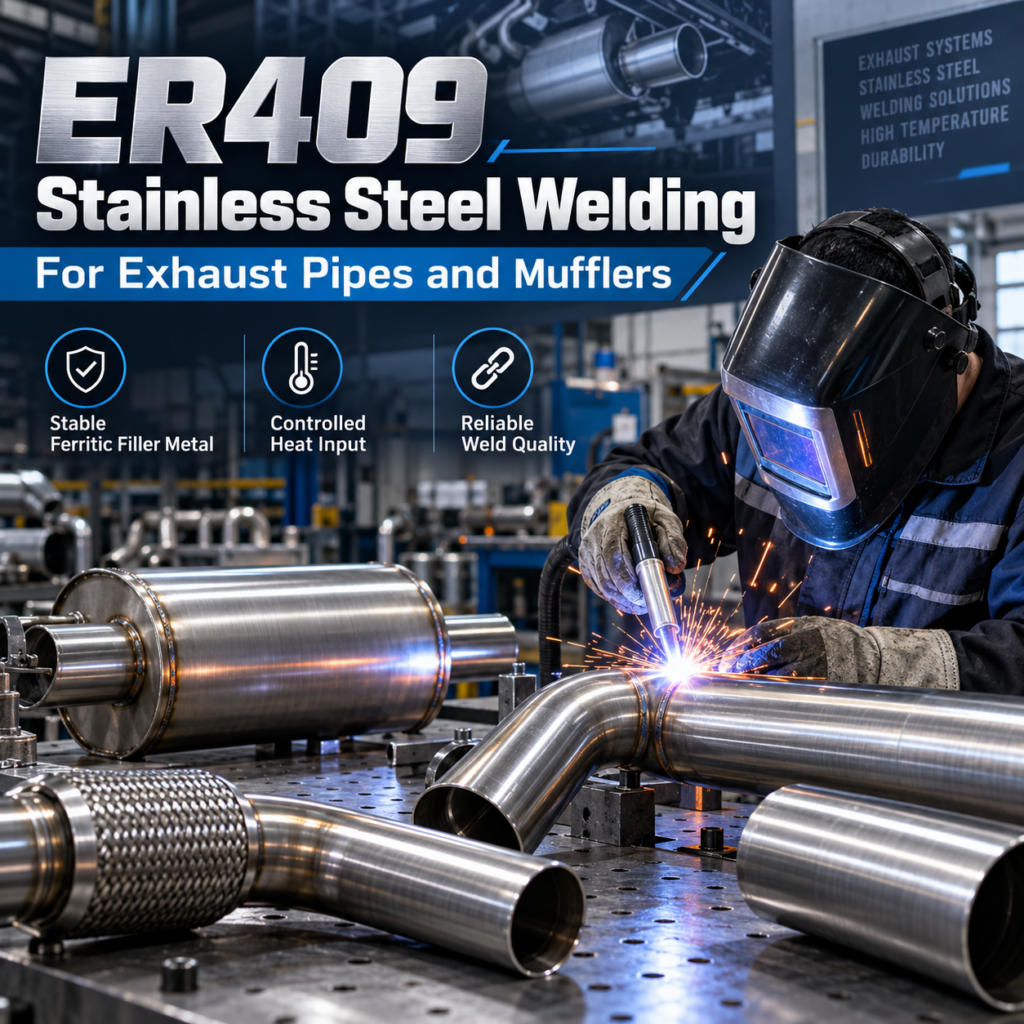
ER409 Stainless Steel Welding for Exhaust Pipes and Mufflers

Automotive exhaust systems operate under demanding conditions, including elevated temperatures, repeated thermal cycling, vibration, and exposure to moisture and corrosive road contaminants. Selecting the right stainless steel filler metal and welding process is essential for producing durable exhaust pipes and mufflers.

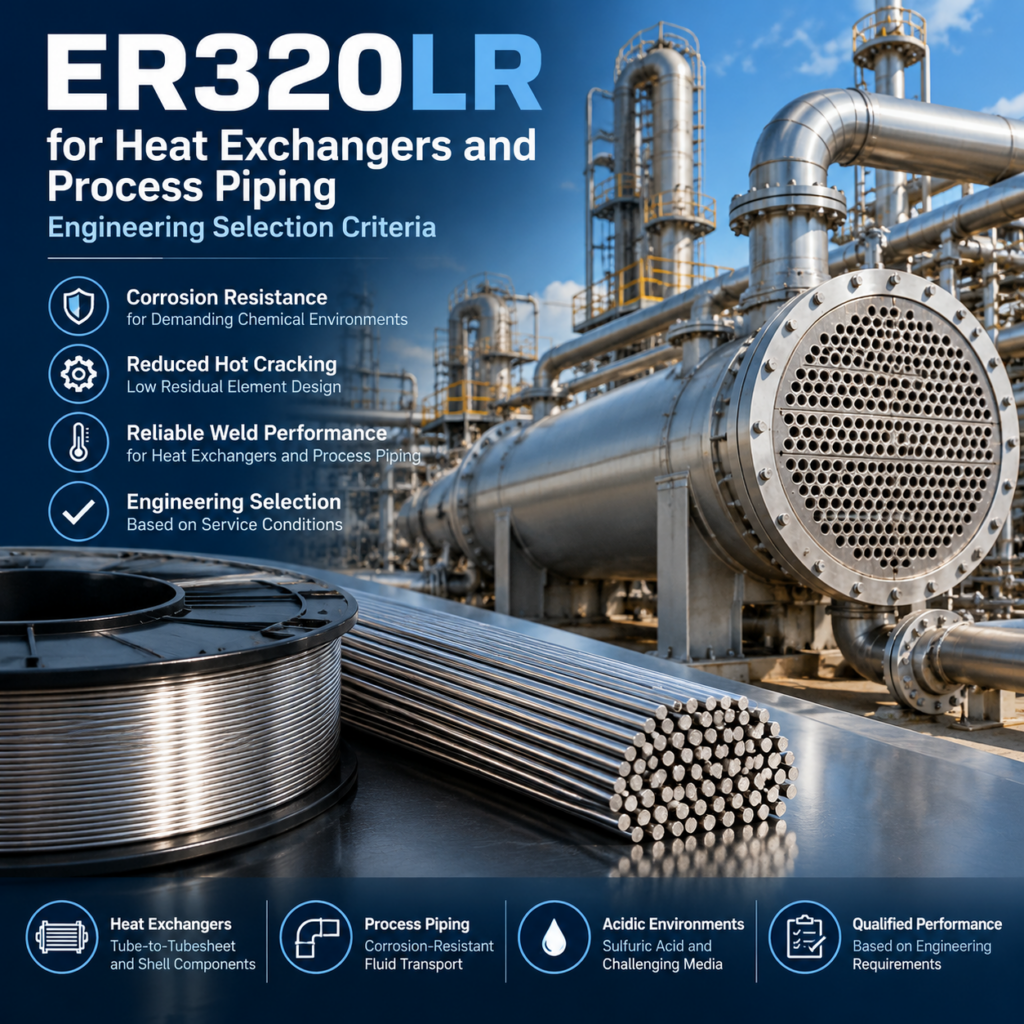
ER320LR for Heat Exchangers and Process Piping: Engineering Selection Criteria

Heat exchangers and process piping are essential components in chemical processing, petrochemical production, pharmaceutical manufacturing, and other industries that handle corrosive fluids. These systems must maintain reliable performance under demanding operating conditions, including elevated temperatures, pressure fluctuations, and exposure to aggressive chemical environments.ER320LR

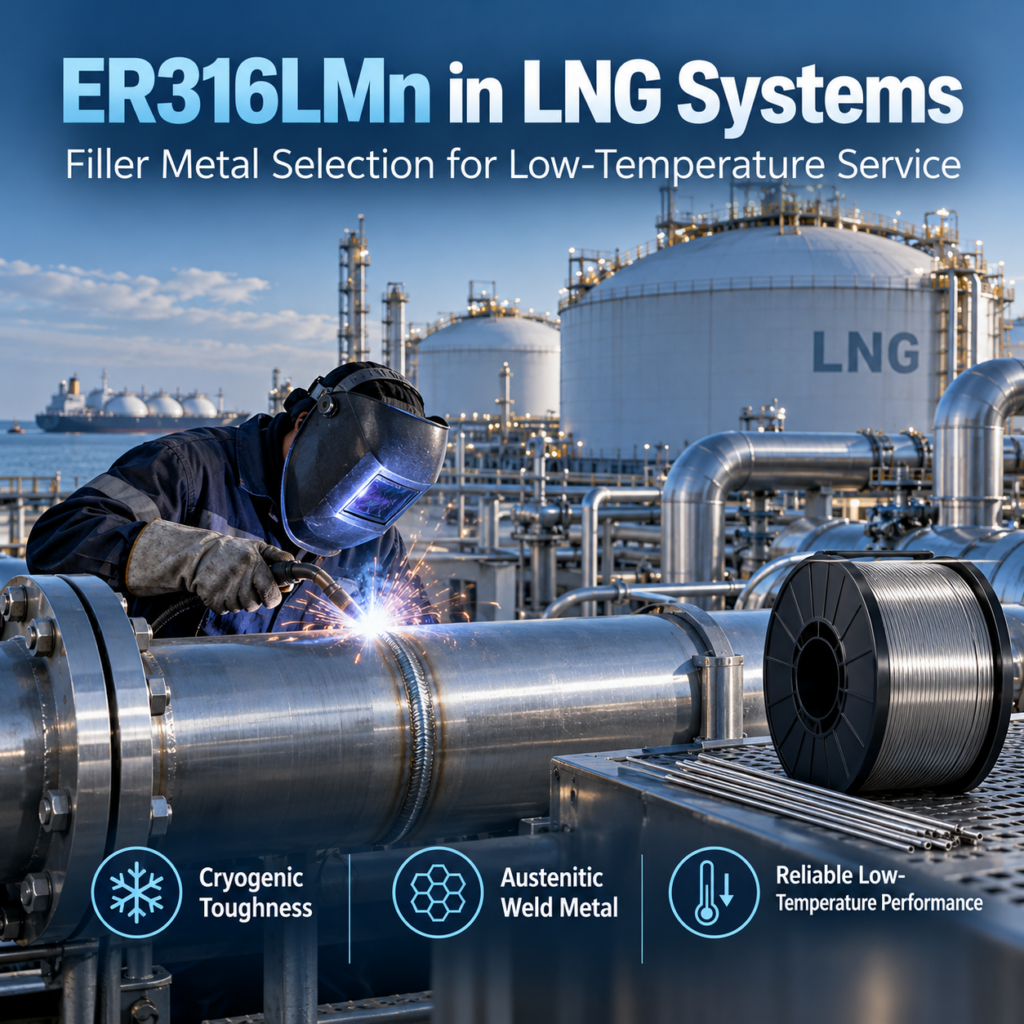
ER316LMn in LNG Systems: Filler Metal Selection for Low-Temperature Service

Liquefied natural gas (LNG) systems operate under demanding cryogenic conditions, making welding consumable selection a critical factor in equipment safety, structural integrity, and long-term reliability. LNG is typically stored at approximately -162°C (-260°F), where welded joints must maintain the mechanical properties required by the design throughout their intended service life.

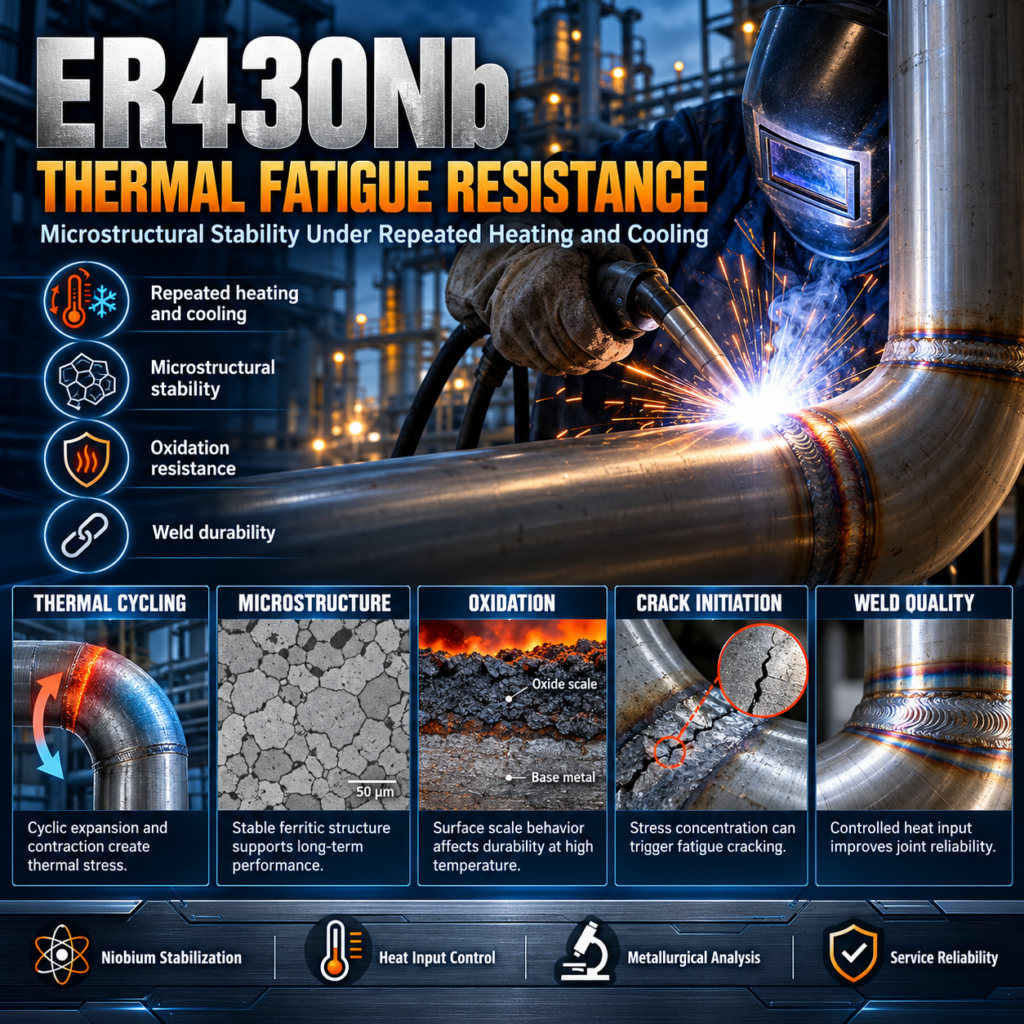
ER430Nb Thermal Fatigue Resistance: Microstructural Stability Under Repeated Heating and Cooling

Thermal fatigue is a critical consideration when ferritic stainless steel welded components operate under repeated heating and cooling. Temperature fluctuations generate cyclic thermal stresses that can gradually damage the weld metal, heat-affected zone (HAZ), and surrounding base material. Over time, these stresses may initiate cracks, accelerate oxidation-related degradation, and reduce component service life.

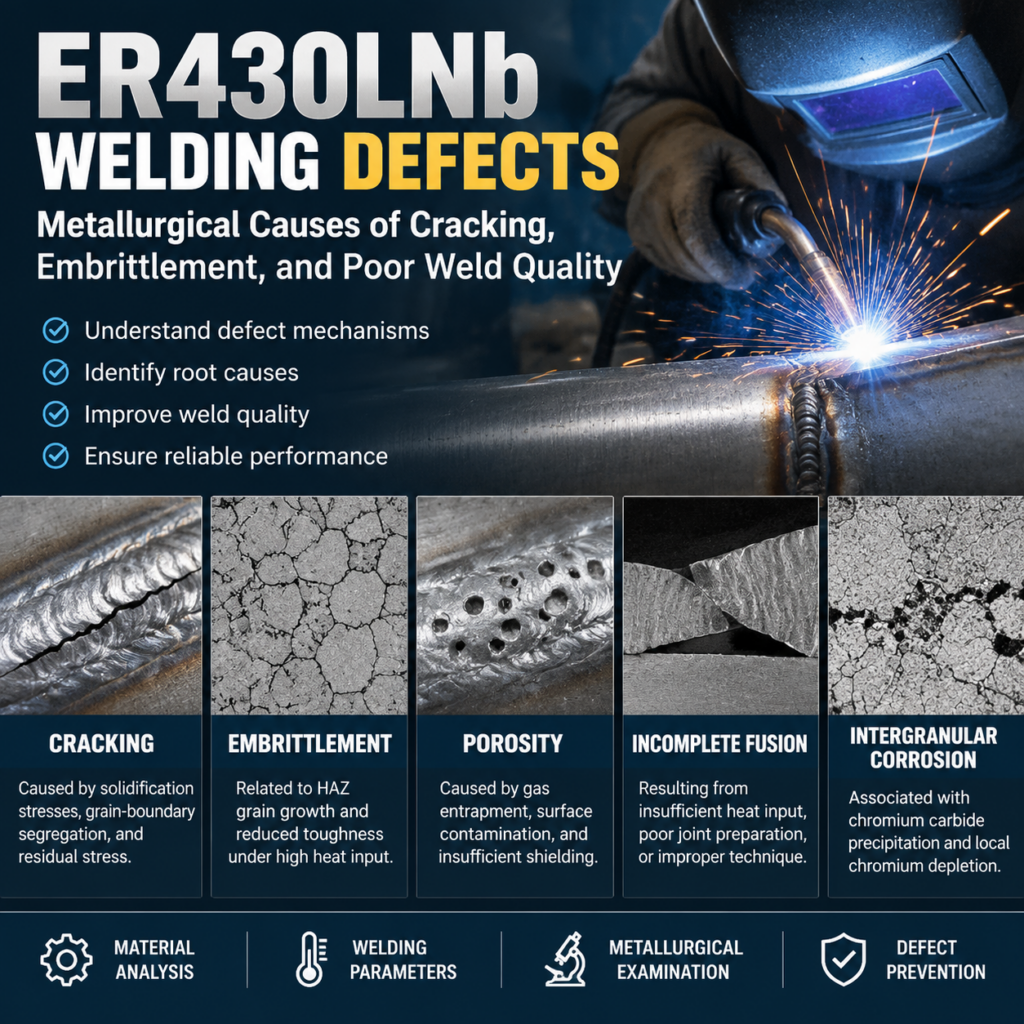
ER430LNb Welding Defects: Metallurgical Causes of Cracking, Embrittlement, and Poor Weld Quality

ER430LNb is a niobium-stabilized ferritic stainless steel welding filler metal associated with applications requiring oxidation resistance, thermal stability, and reliable welded joints. However, selecting an appropriate filler metal does not automatically guarantee defect-free welding. Cracking, embrittlement, porosity, incomplete fusion, and poor weld appearance can still occur when metallurgical characteristics interact with unsuitable welding conditions.
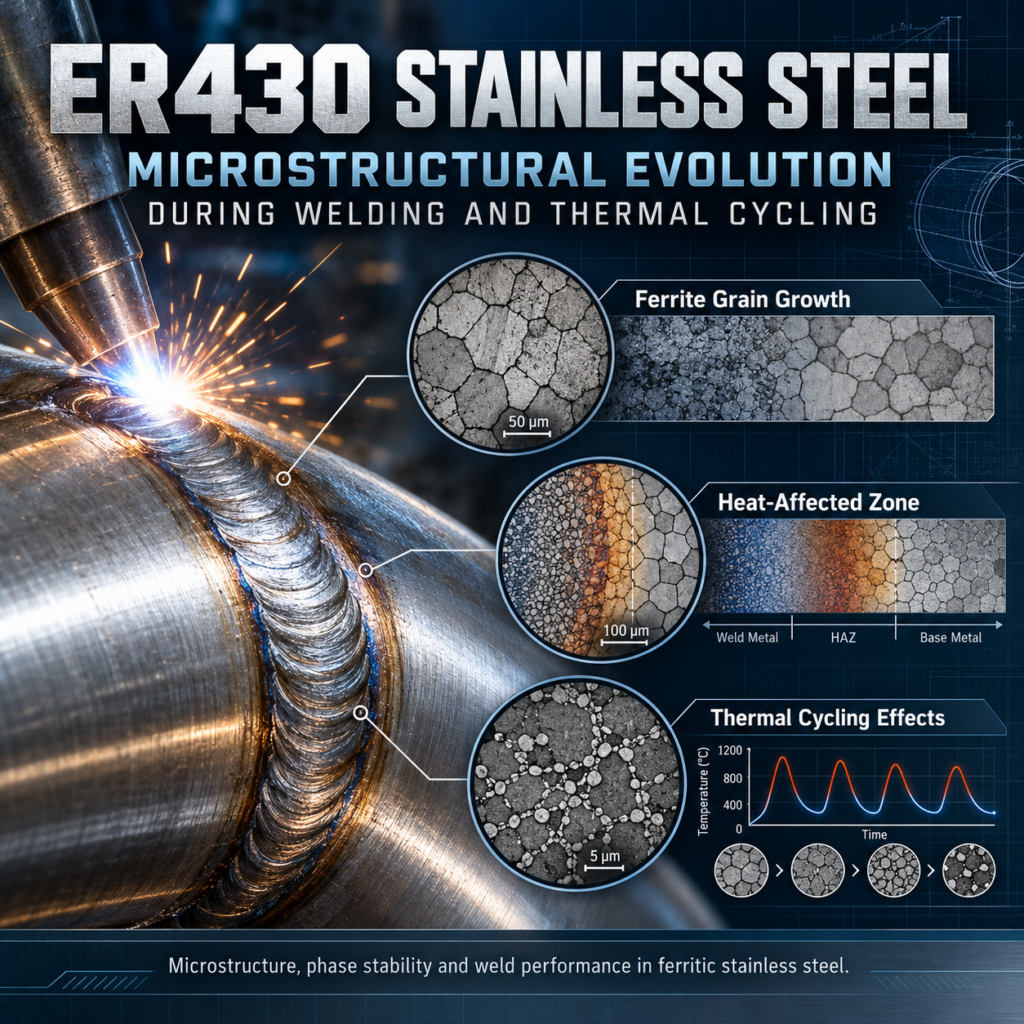
ER430 Stainless Steel: Microstructural Evolution During Welding and Thermal Cycling

ER430 stainless steel is a chromium-rich ferritic stainless steel welding filler metal used in applications requiring corrosion resistance, oxidation resistance, and metallurgical compatibility with ferritic stainless steel substrates. Its welding performance is closely related to microstructural evolution during solidification, cooling, and subsequent thermal exposure.

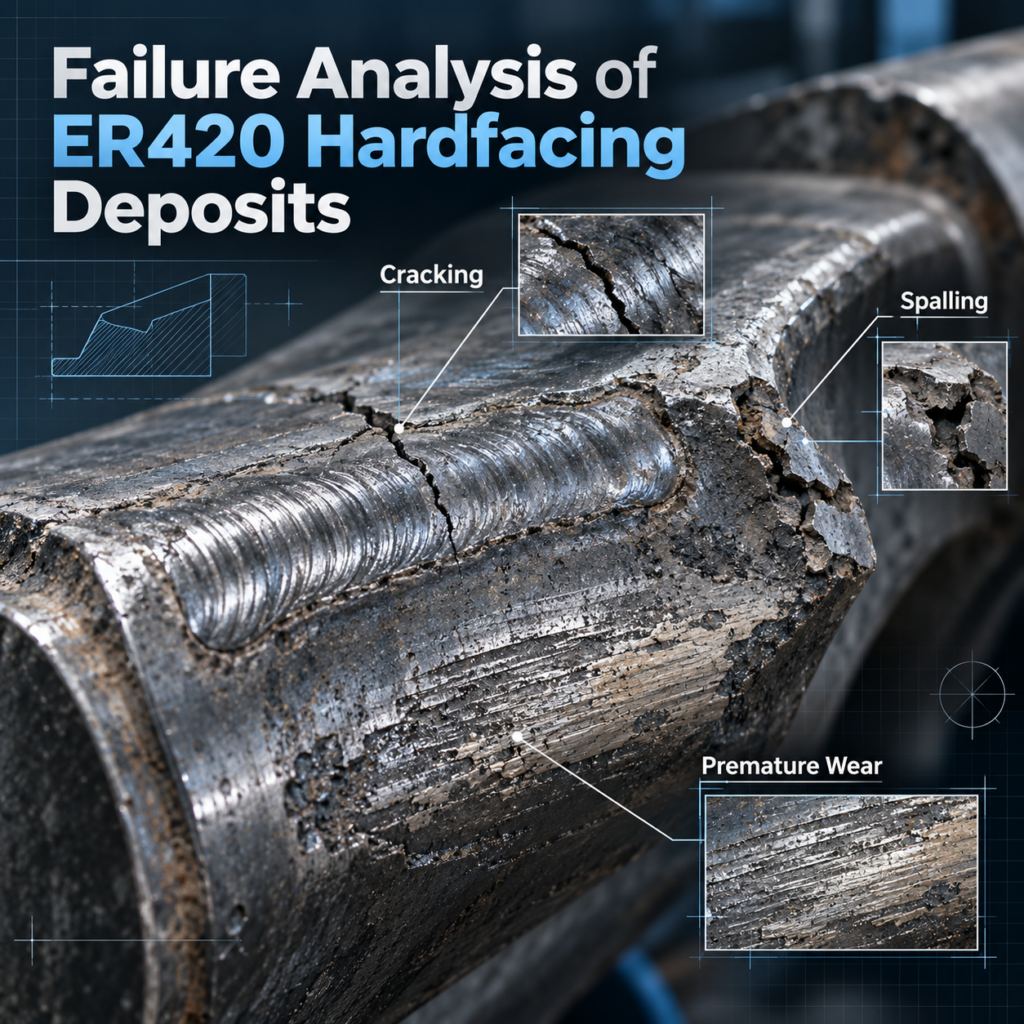
Failure Analysis of ER420 Hardfacing Deposits: Cracking, Spalling and Premature Wear

ER420 hardfacing deposits are used in industrial applications where high surface hardness, wear resistance, and moderate corrosion resistance are required. As a martensitic stainless steel welding filler metal, ER420 is designed to produce hard weld deposits that help protect or restore components subjected to abrasive contact, friction, and mechanical loading.

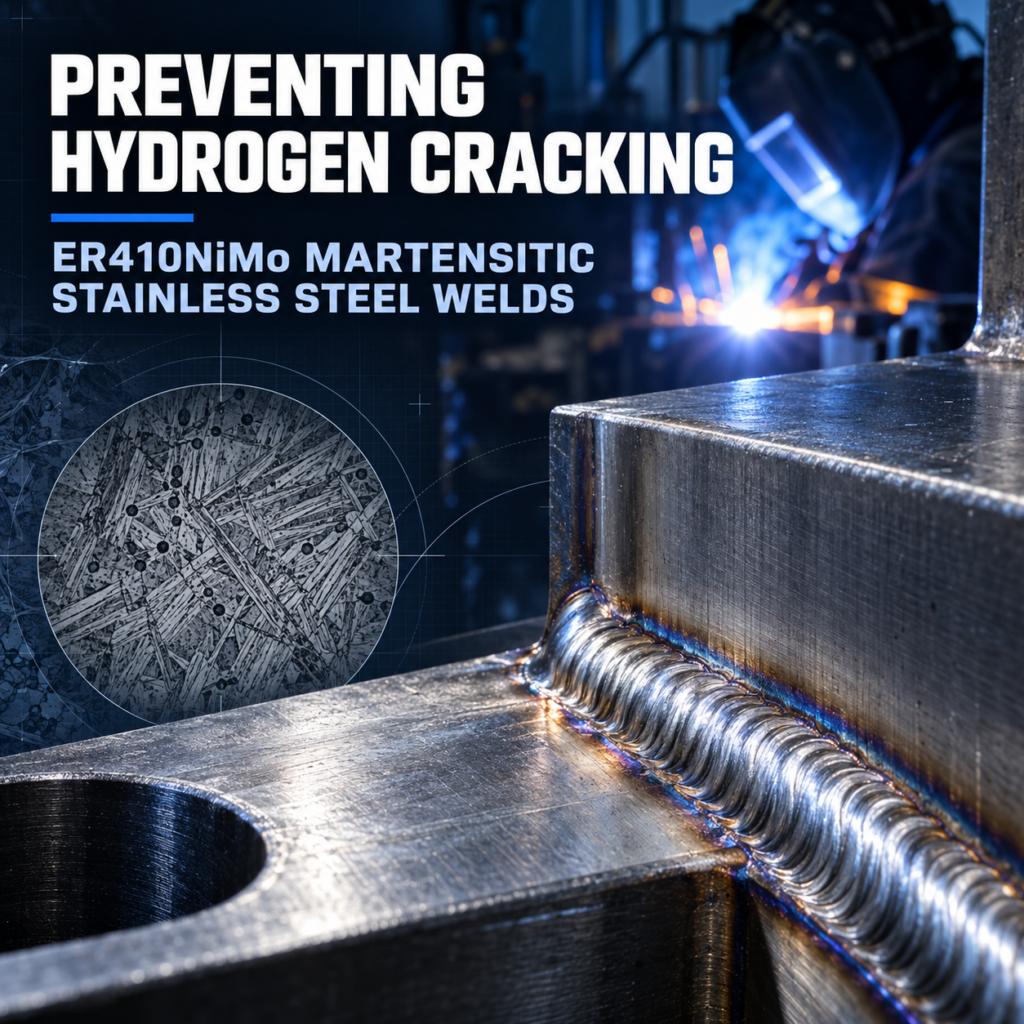
Preventing Hydrogen Cracking in ER410NiMo Martensitic Stainless Steel Welds

Hydrogen cracking is a delayed weld defect that can occur in ER410NiMo weld metal or the heat-affected zone (HAZ). It may appear hours after welding, sometimes after the joint has cooled and passed an initial visual inspection. In martensitic stainless steel welds, the risk is linked to the combination of diffusible hydrogen, a hard or brittle microstructure, and tensile stress.

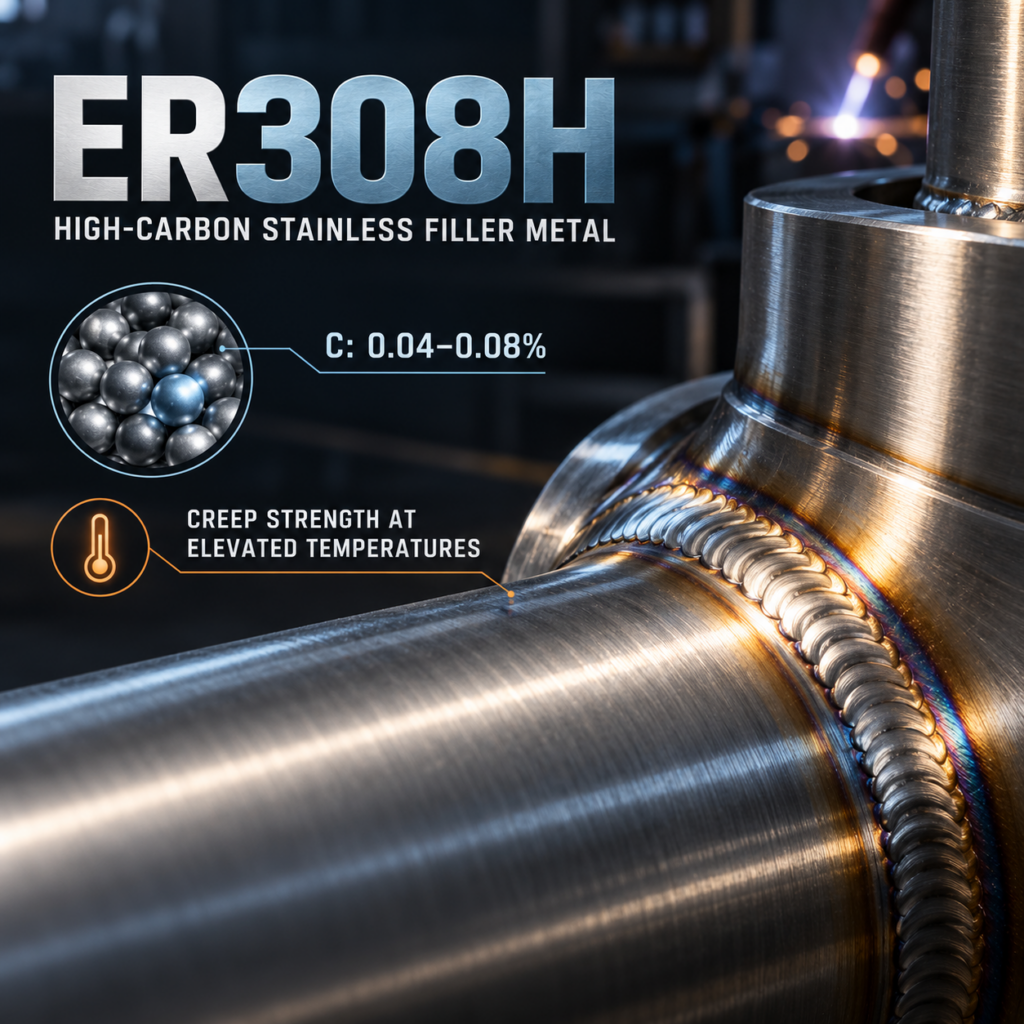
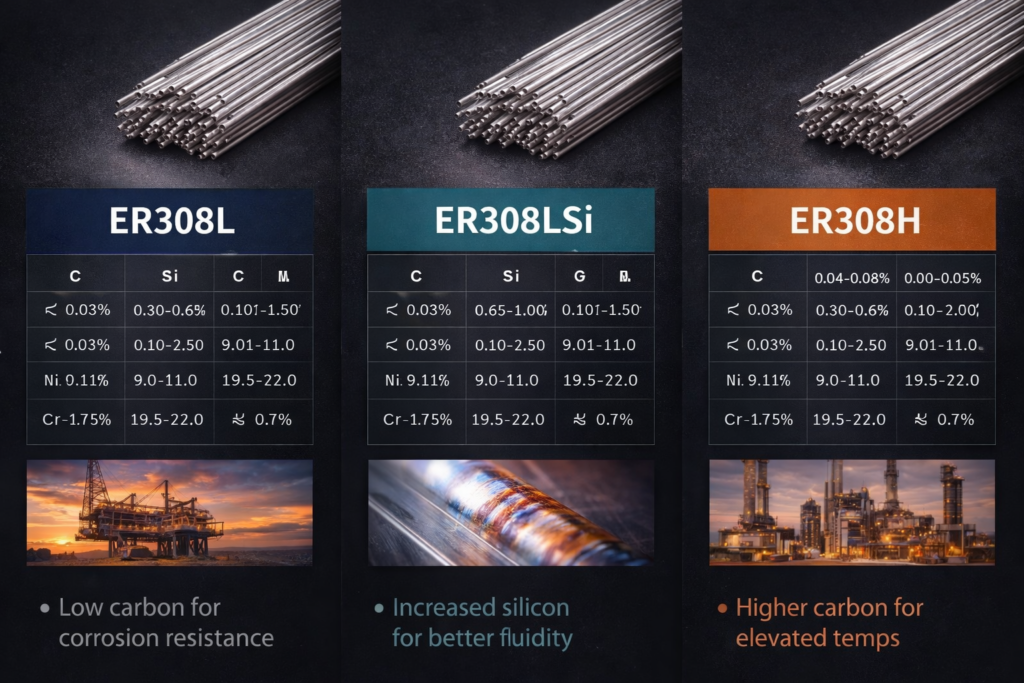
What Does the “H” Mean in ER308H? A Technical Guide to High-Carbon Stainless Filler Metal

ER308H is an austenitic stainless steel filler metal used where welds must retain strength at elevated temperatures. The letter “H” identifies a controlled high-carbon version of the 308 filler metal family. Its carbon range is typically specified as 0.04–0.08% by weight.

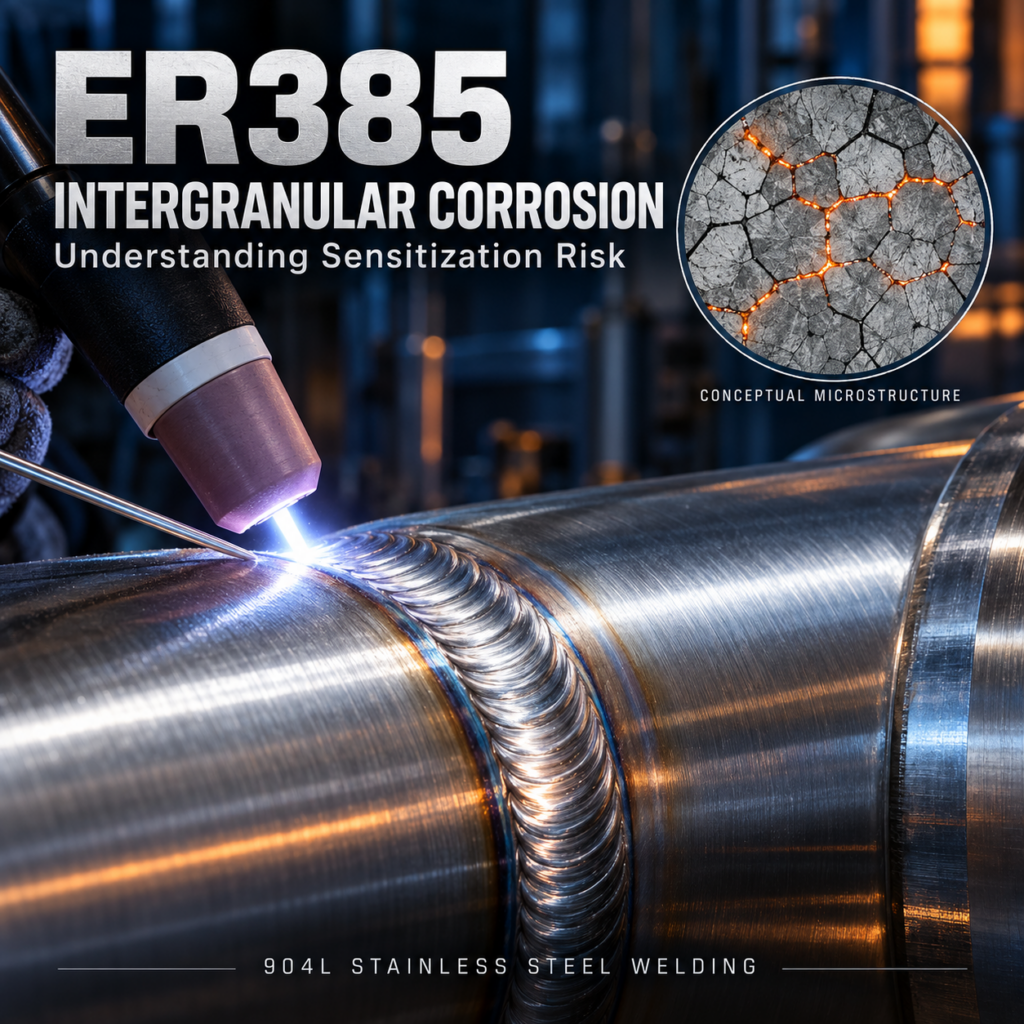
ER385 Intergranular Corrosion: Understanding Sensitization Risk

ER385 is a low-carbon, highly alloyed stainless steel filler metal commonly used for welding 904L. Its corrosion resistance makes it useful for equipment handling aggressive process fluids. However, understanding ER385 intergranular corrosion requires looking beyond the filler metal designation to the chemistry and thermal history of the completed joint.

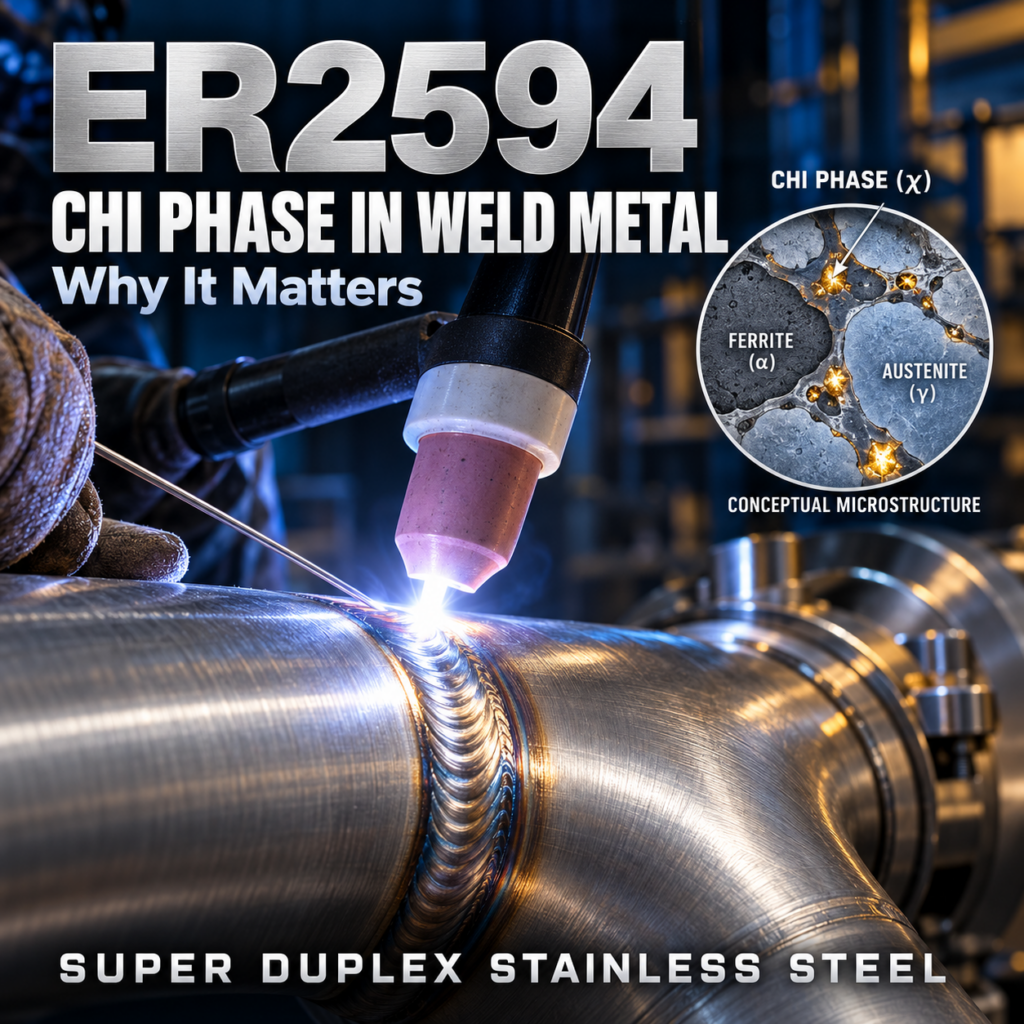
Chi Phase in ER2594 Weld Metal: Why It Matters

ER2594 is a super duplex stainless steel filler metal used where welded joints need high strength and resistance to aggressive environments. Its performance depends on a suitable ferrite–austenite balance and the retention of corrosion-resistant alloying elements in those phases.However, unfavorable thermal exposure can promote unwanted intermetallic precipitates. Chi phase in ER2594 weld metal is one concern because it concentrates molybdenum and chromium, potentially leaving neighboring regions less resistant to corrosion.

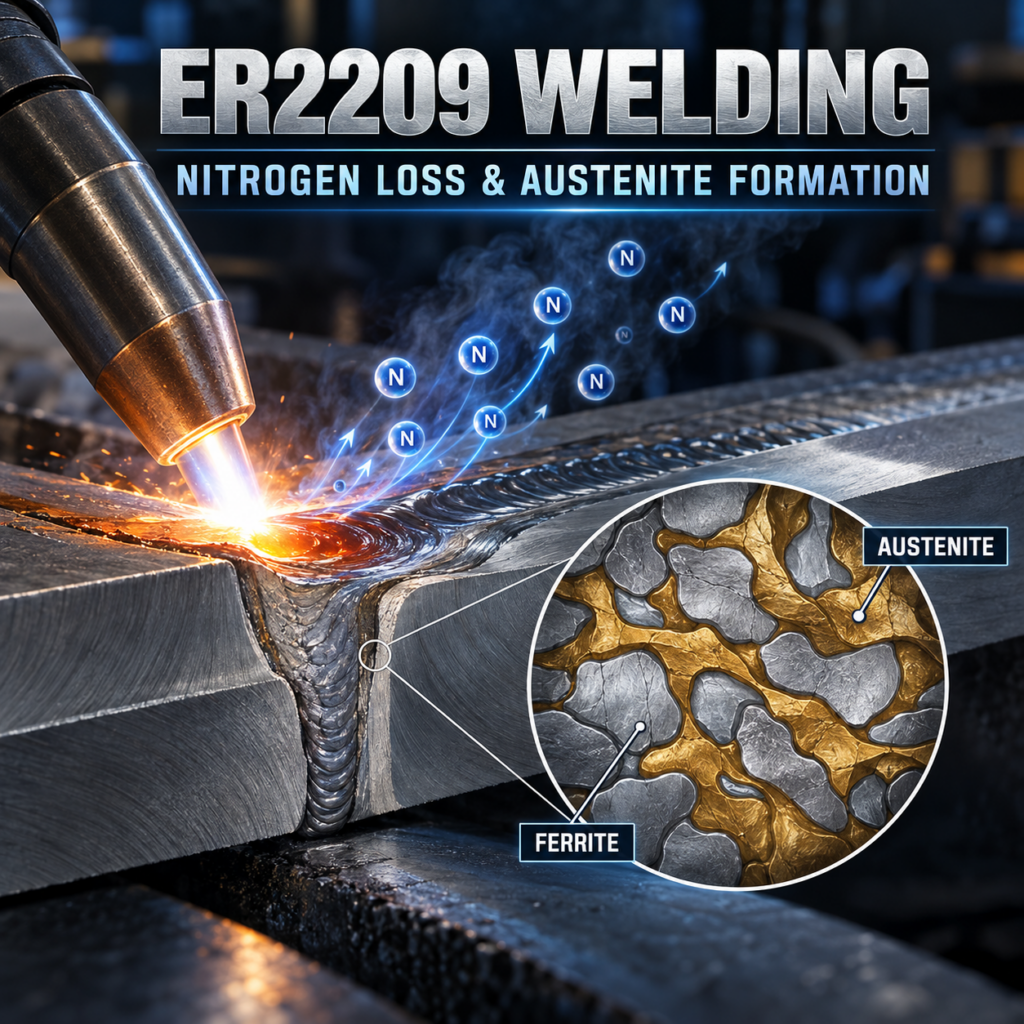
Nitrogen Loss During ER2209 Welding: Effects on Austenite Formation

ER2209 filler metal is commonly used to weld 22% chromium duplex stainless steels such as 2205. Its weld metal must develop a suitable balance of ferrite and austenite to meet the joint’s mechanical and corrosion requirements. Nitrogen is central to that balance: it promotes austenite formation, but some nitrogen can escape from the weld pool during welding.

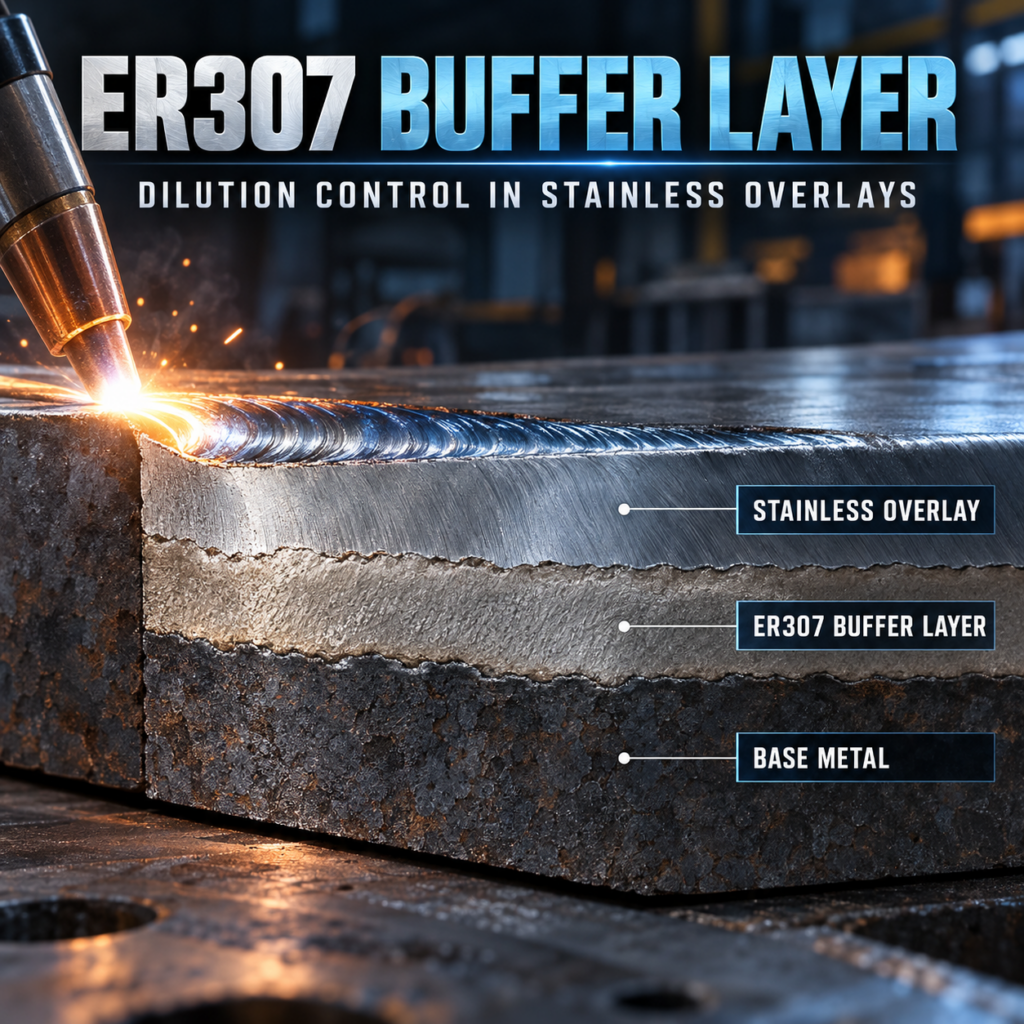
ER307 as a Buffer Layer in Stainless Steel Overlays: Managing Dilution

Stainless steel weld overlays are often deposited on carbon or low-alloy steel to provide a corrosion-resistant surface. The challenge is that the first weld layer mixes with the base metal. This dilution can change the deposit’s chemistry and affect whether the overlay meets its required properties.

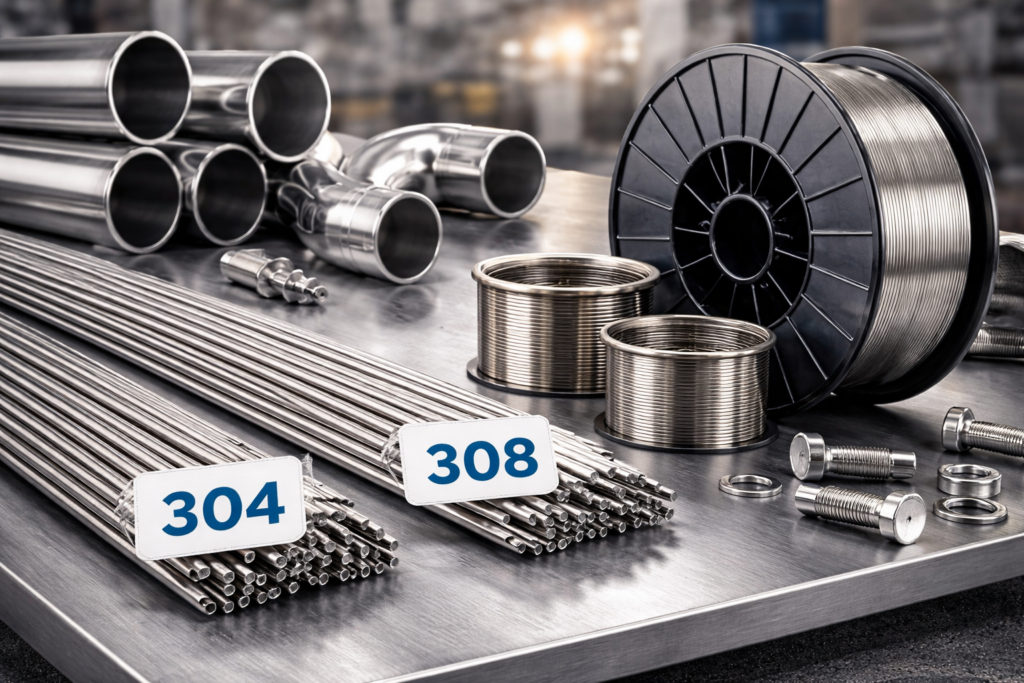
ER308 is a welding consumable tailored for welding 304 stainless steel, while ER304 is simply another type of 304 stainless steel. To use an analogy: it’s like using ordinary fabric to patch a piece of high-end clothing. While the colors may appear similar, a professional tailor will use specially matched wire and fabric to ensure the patch’s strength, color durability, and overall aesthetic. Substituting ordinary fabric may not be noticeable in the short term, but after a few washes, color differences, shrinkage, or cracking may occur.

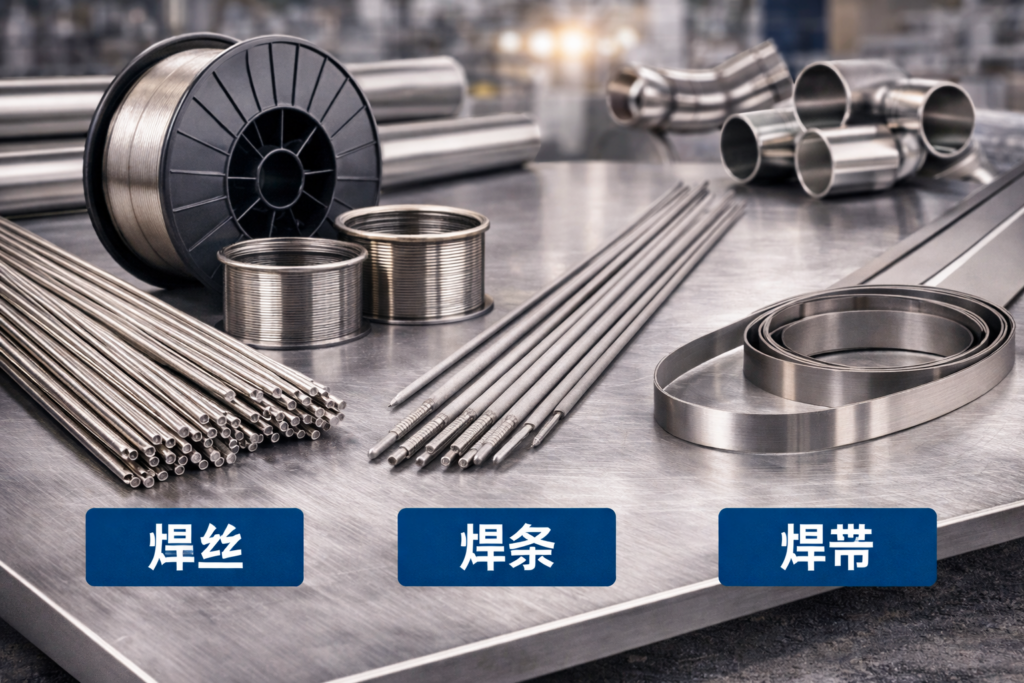
The classification of stainless steel welding consumables is a crucial and practical topic. The choice of welding consumables directly impacts weld quality, corrosion resistance, and mechanical properties. There are various ways to categorize stainless steel welding consumables, primarily based on material form,matching principles, and functional characteristics. Below, I will provide a detailed and systematic overview.

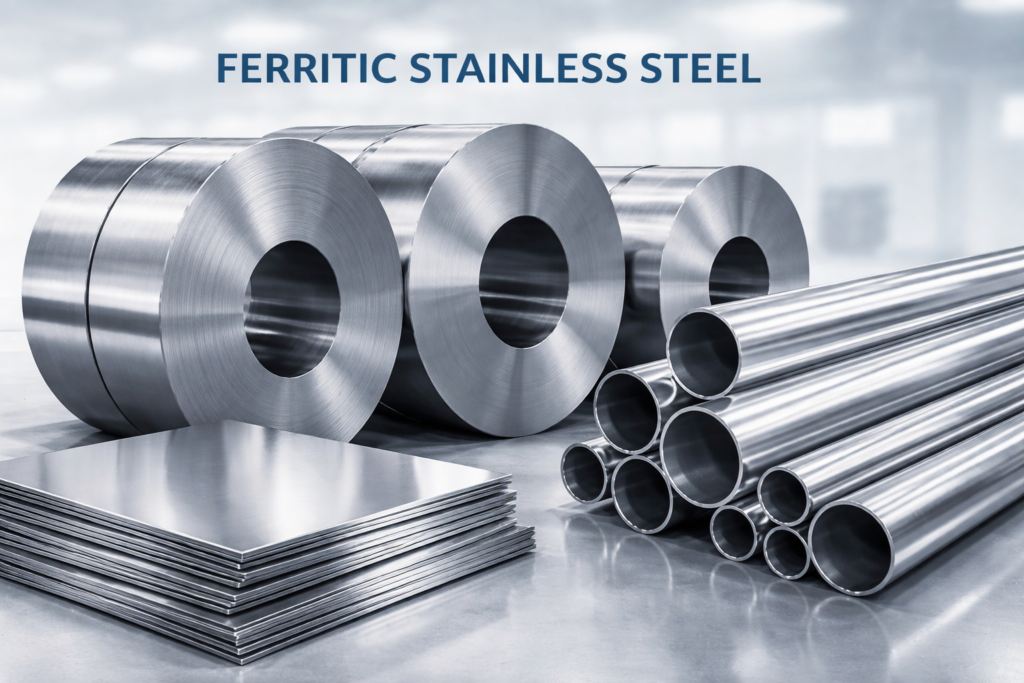
Ferritic stainless steel is a type of stainless steel with chromium as the primary alloying element(typically between 10.5% and 30%), a low carbon content, and a predominantly ferrite structure in service. Its performance characteristics lie between those of martensitic and austenitic stainless steels.

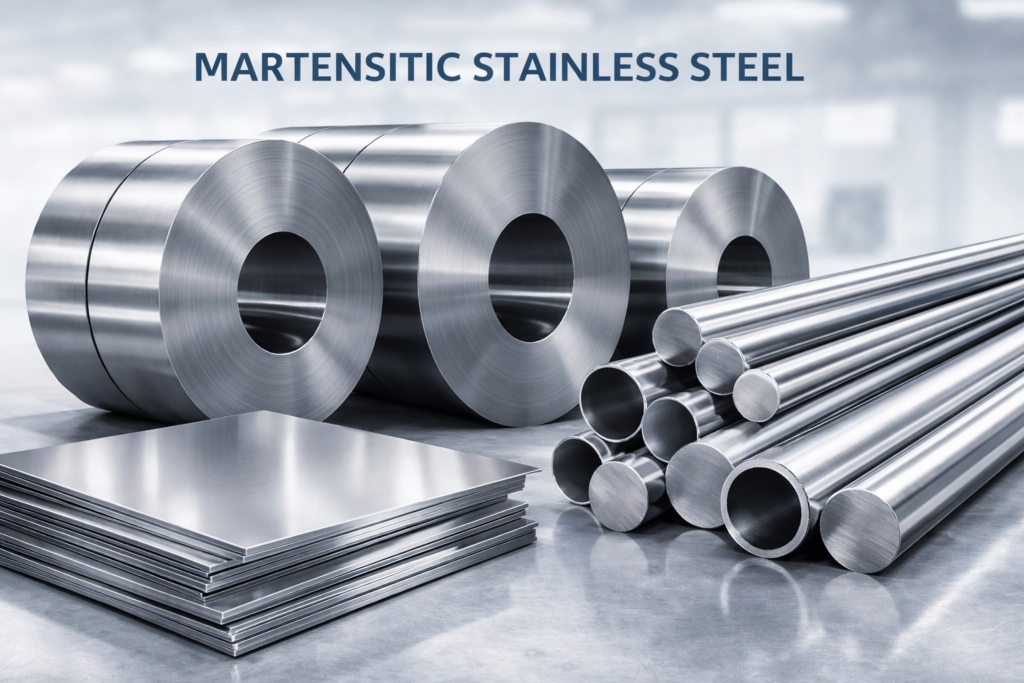
Martensitic stainless steels are a type of stainless steel whose mechanical properties (such as hardness and strength) can be significantly modified through heat treatment (such as quenching and tempering). They are members of the stainless steel family known for their strength and hardness.

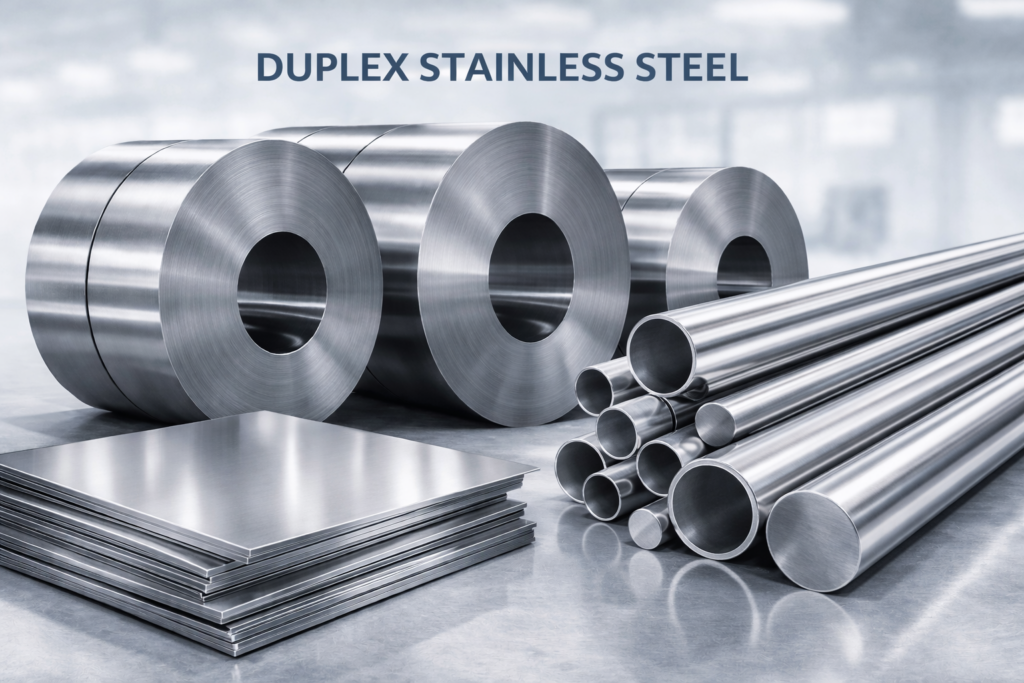
Welding duplex stainless steel is a highly technical topic. Due to its unique dual-phase (ferrite + austenite) microstructure, special care is required during welding to maintain its excellent mechanical properties and corrosion resistance.

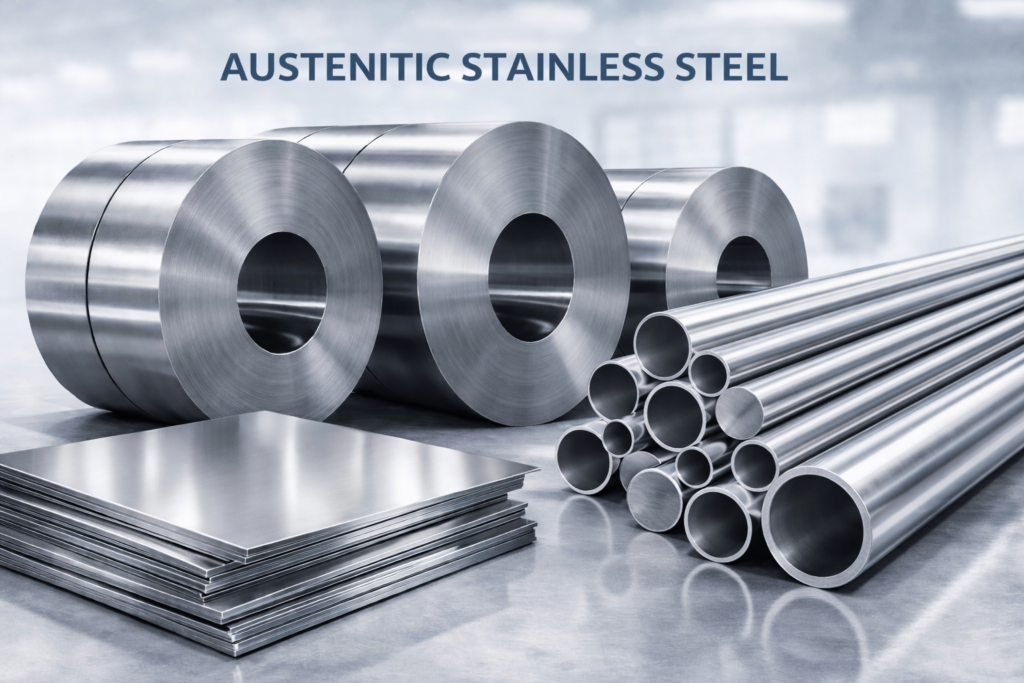
Austenitic stainless steel refers to stainless steel with a predominantly austenite structure when in use. Simply put, its microstructure is a face-centered cubic crystal structure, achieved by adding high levels of austenite-forming elements such as nickel (Ni), manganese(Mn), and nitrogen (N) to an iron-chromium alloy.

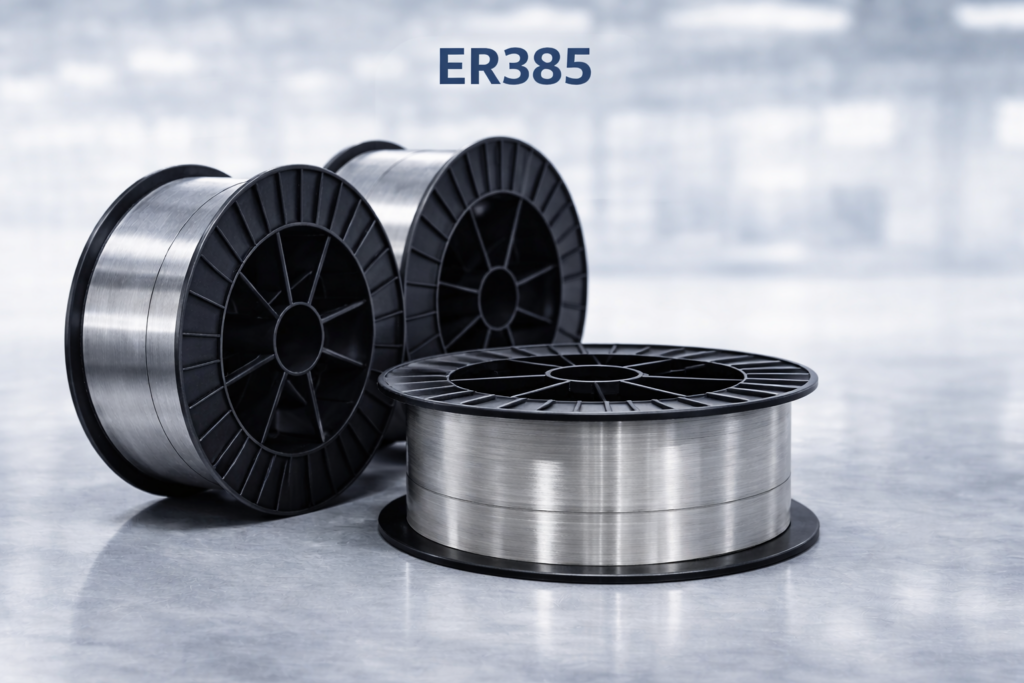
ER385 is a stainless steel gas shielded welding wire primarily used for welding materials requiring high corrosion resistance, such as 904L stainless steel. The following is a summary of its key information:

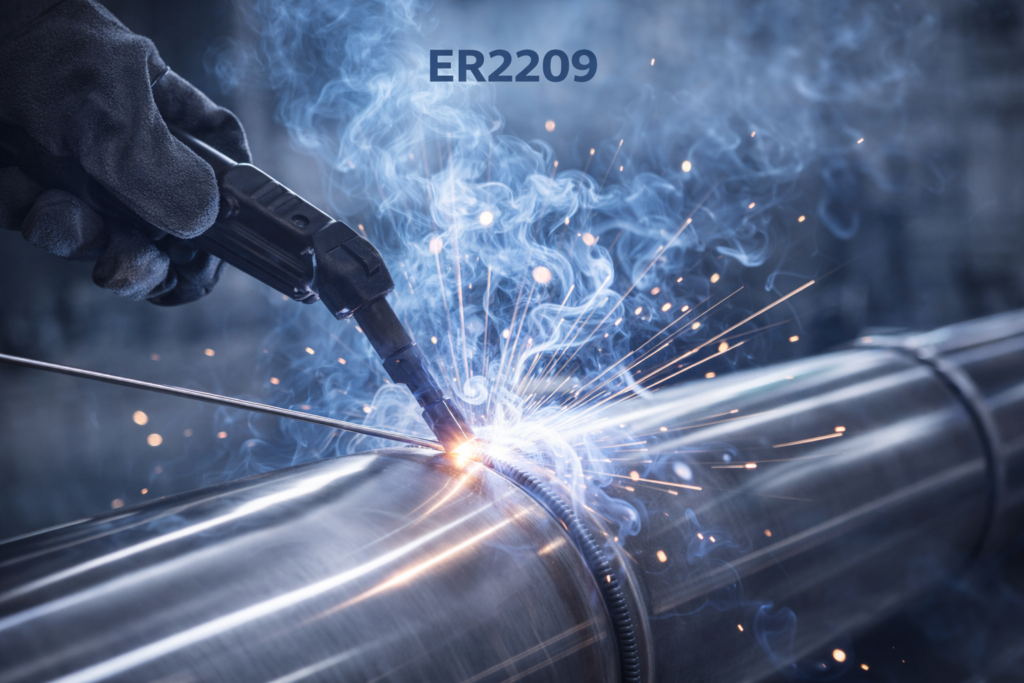
ER2209 is a duplex stainless steel welding consumable widely used in the petrochemical industry, offshore platforms, shipbuilding, and other fields.

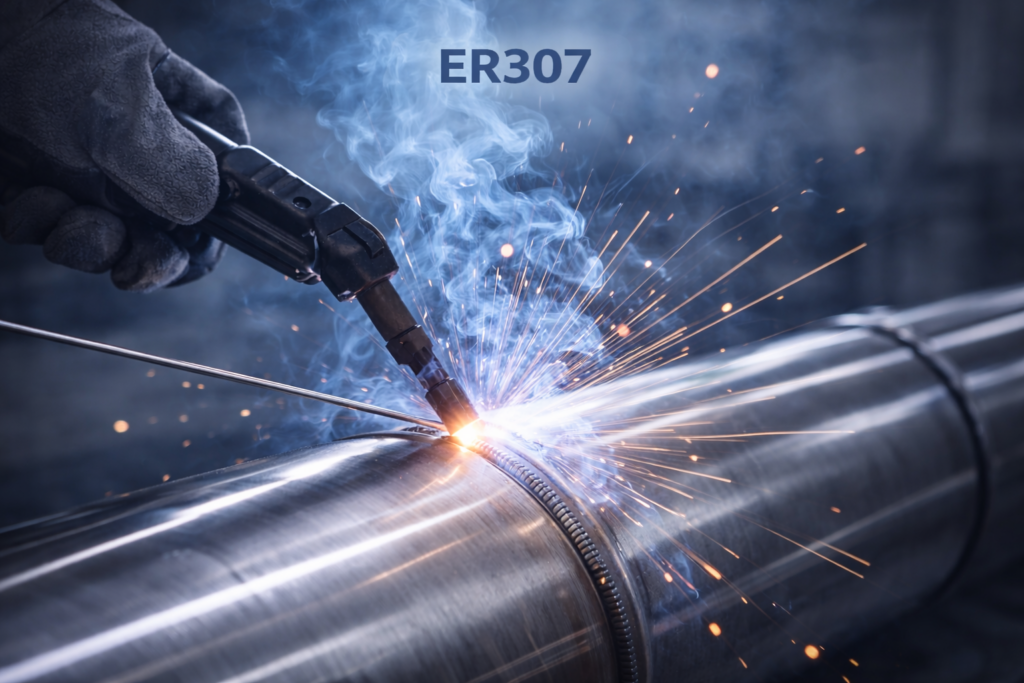
ER307 is an austenitic stainless steel welding wire, particularly suitable for welding dissimilar steels or where non-magnetic properties are required.

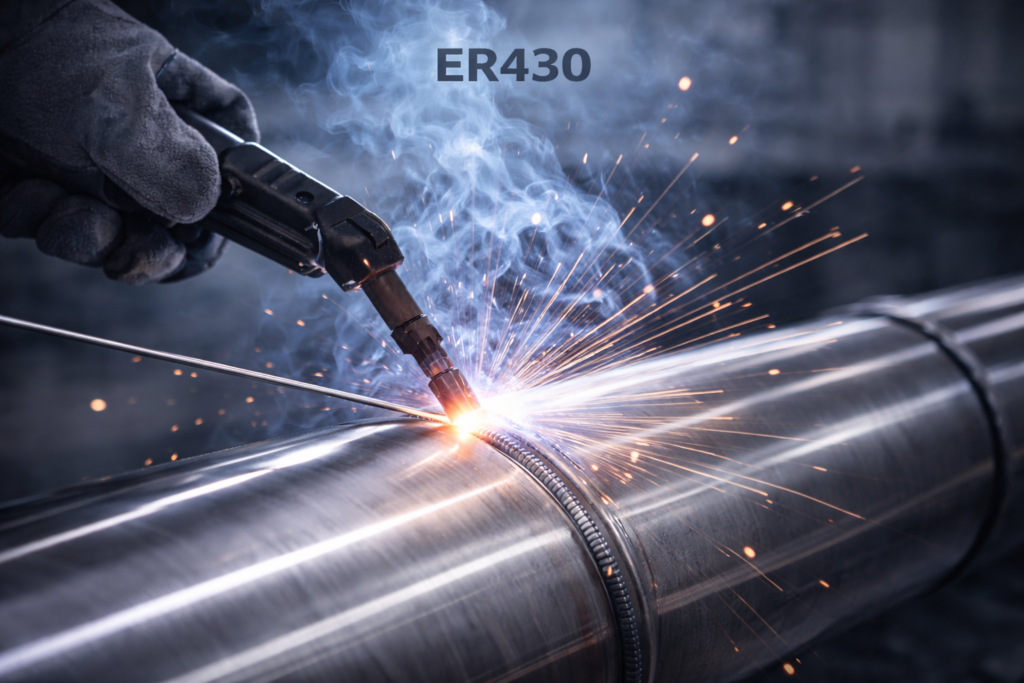
ER430 stainless steel welding wire is a welding material specially used for welding17% chromium ferritic stainless steel. Due to its good corrosion resistance and wear resistance, it is used in some specific occasions.

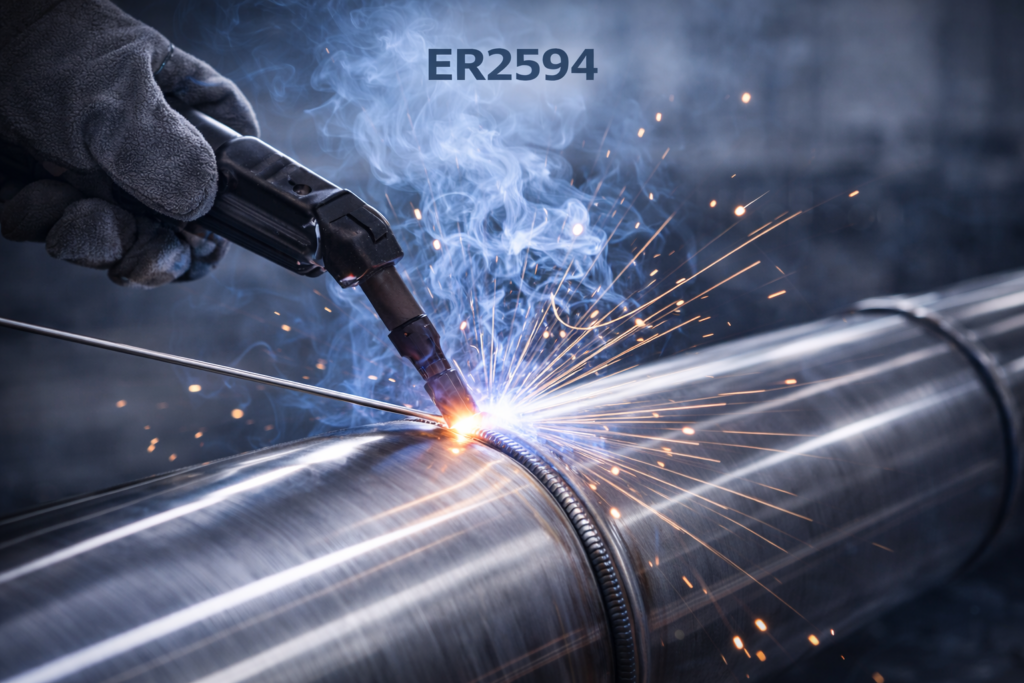
What is ER2594?
2594: The number represents its key alloying elements. 25 represents approximately 25% chromium (Cr), while 94 represents the combination of approximately 9.5% nickel (Ni) and 4% molybdenum (Mo). More importantly, it contains very high levels of nitrogen (N) (typically >
0.25%).

ER308L is an ultra-low carbon austenitic stainless steel welding wire primarily used for welding 304L (022Cr19Ni10) stainless steel. It offers excellent intergranular corrosion resistance and excellent weldability.

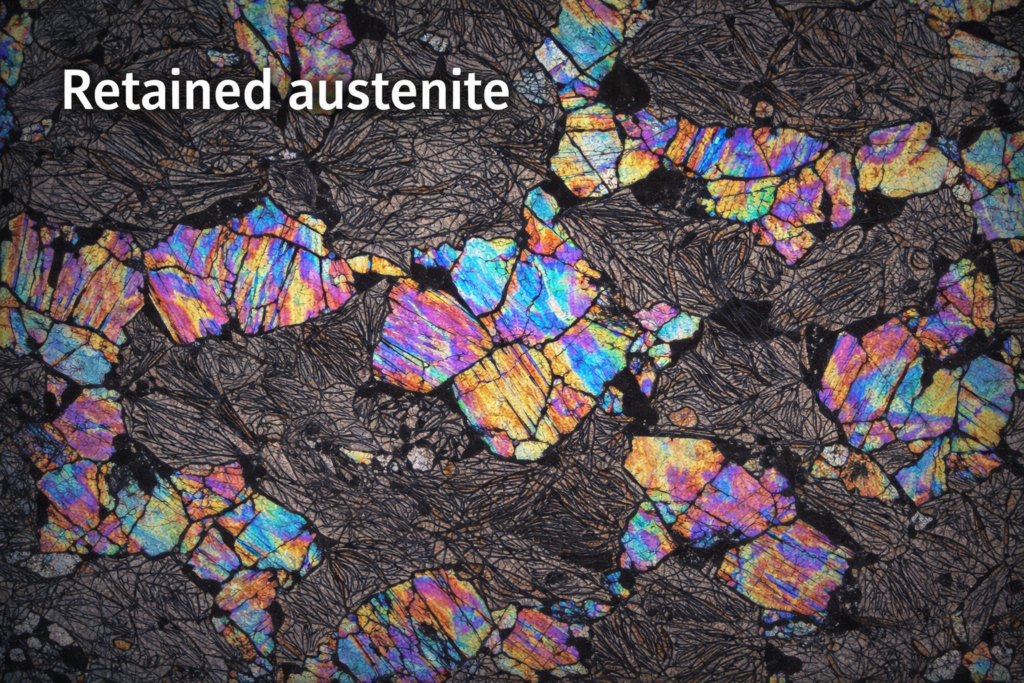
What is retained austenite?

Definition: Retained austenite refers to the austenite that remains at room temperature when steel is cooled from a high-temperature austenitic state, due to the influence of chemical composition and cooling rate, and which fails to completely transform into low-temperature phases such as bainite, martensite, or ferrite.