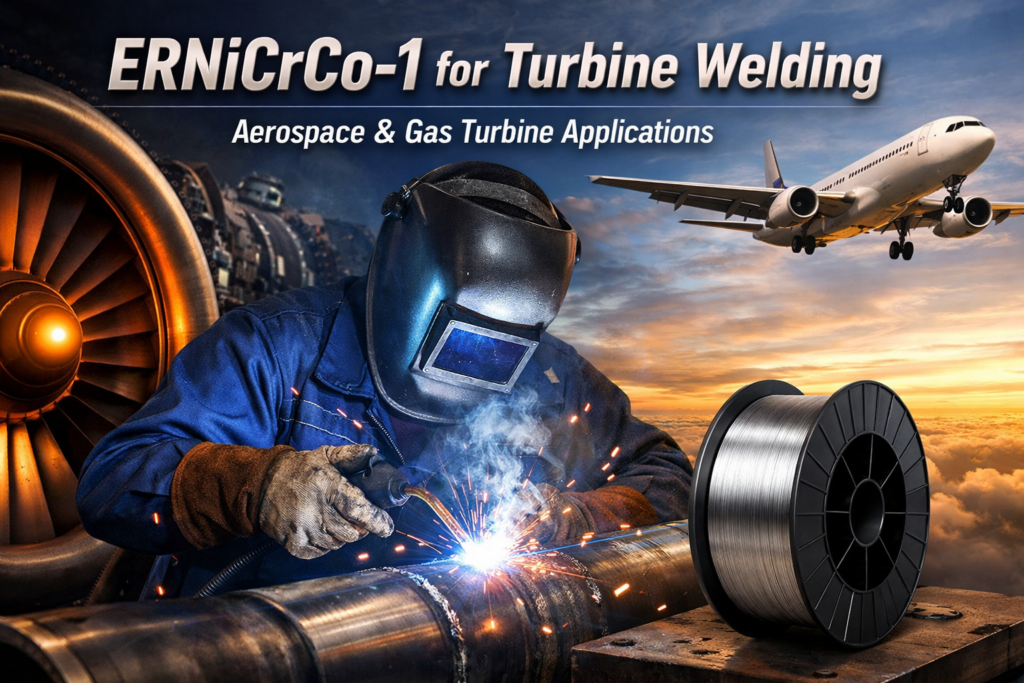
ERNiCrCo-1 Welding Wire for Aerospace and Gas Turbine Applications

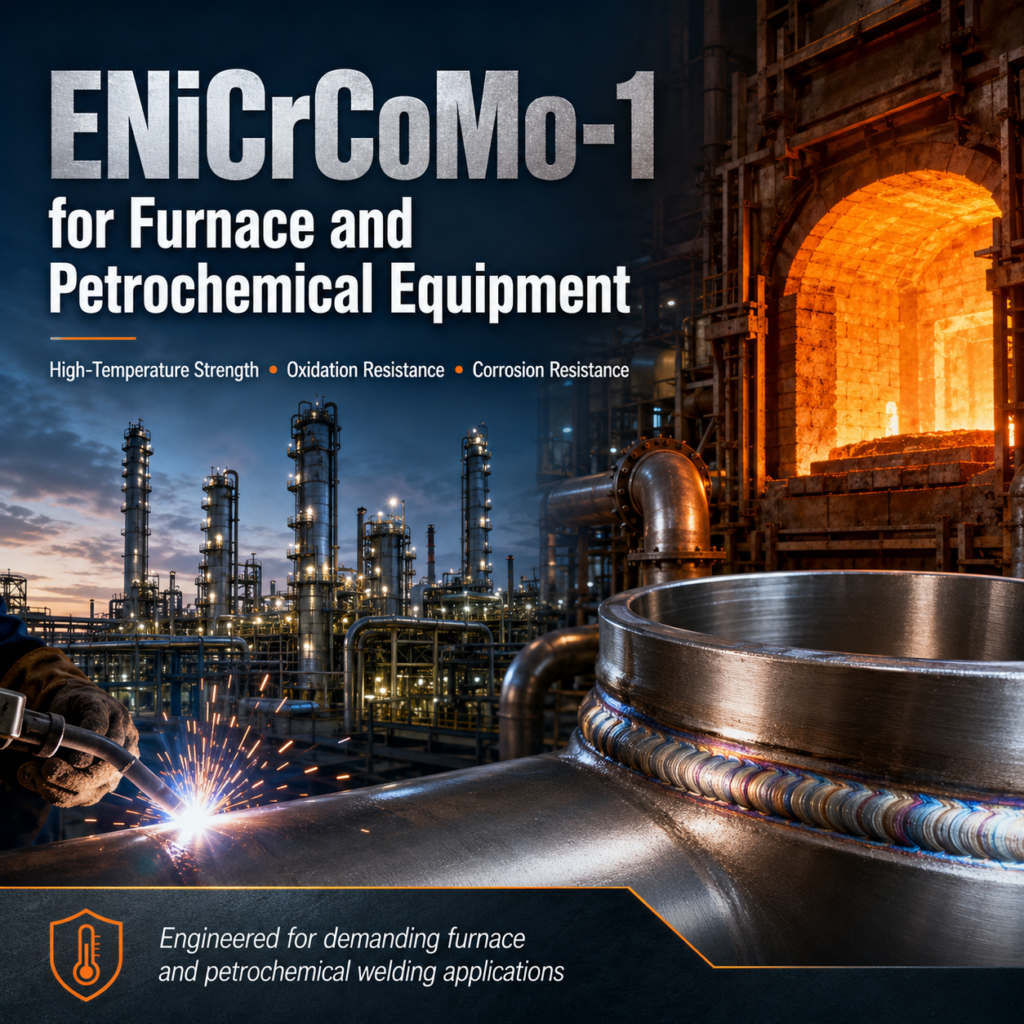
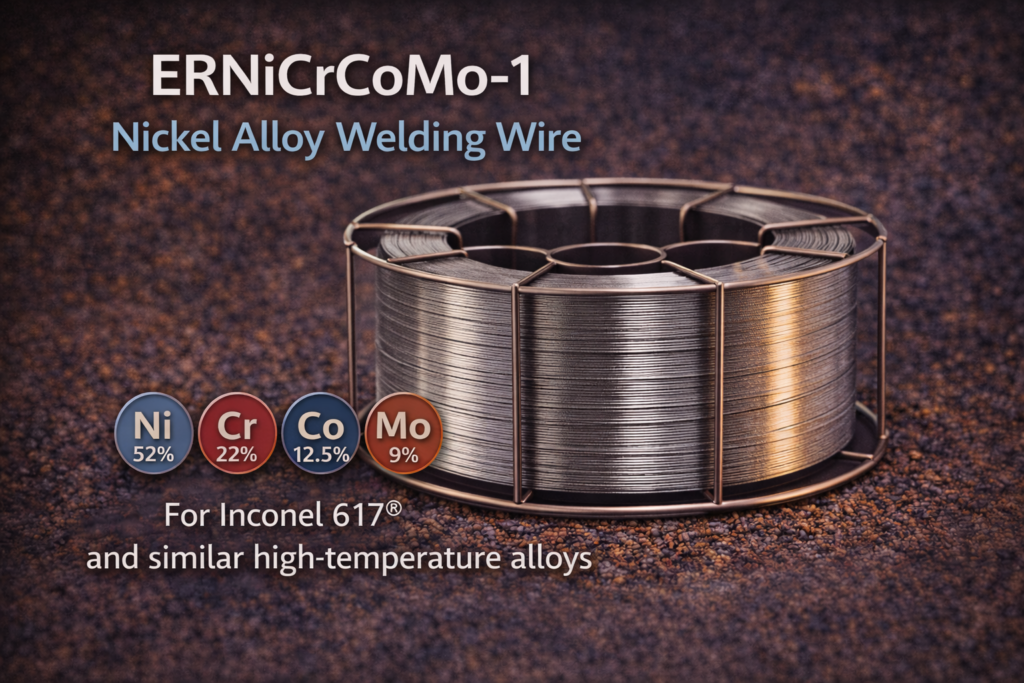
ERNiCrCo-1 welding wire is a high-performance nickel-based filler metal developed for demanding high-temperature applications. It is commonly associated with Alloy 617-type weld metal chemistry and is used for joining nickel-chromium-cobalt-molybdenum alloys as well as similar heat-resistant materials.

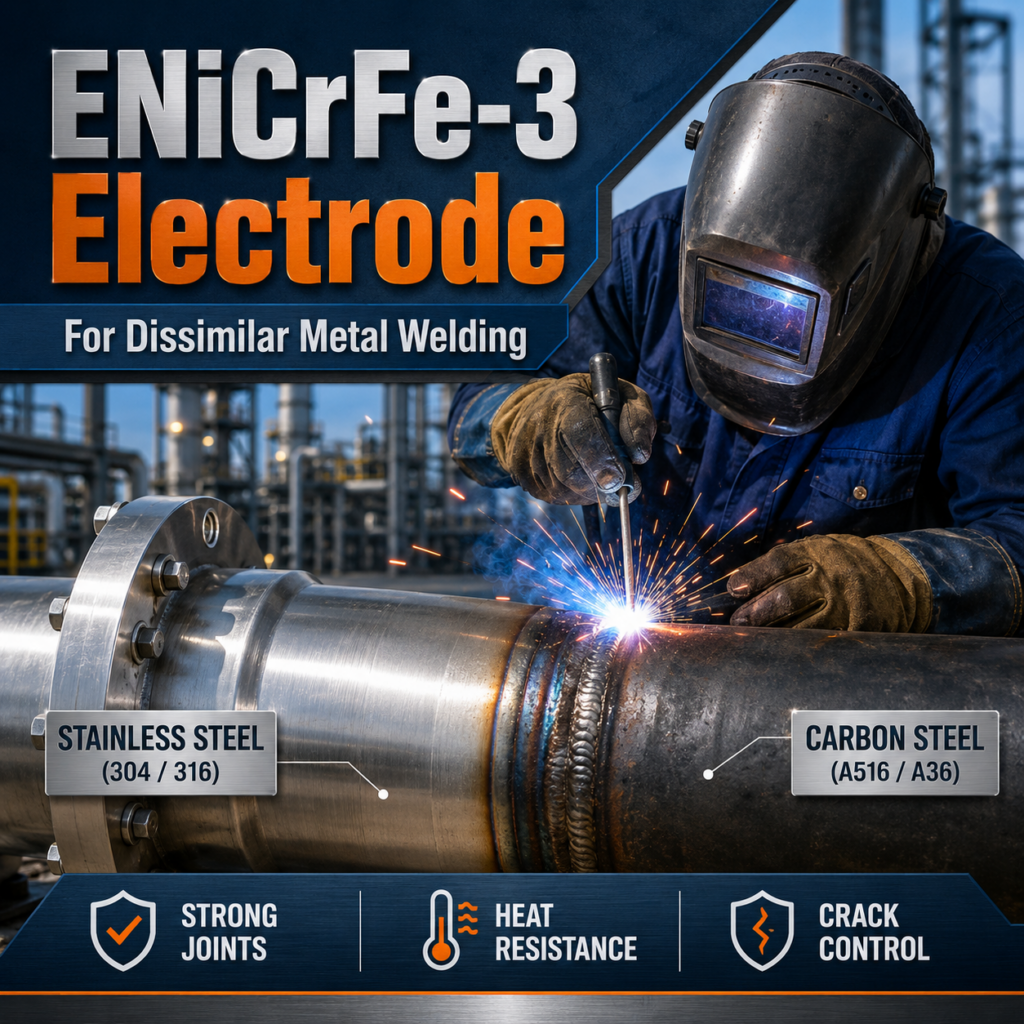
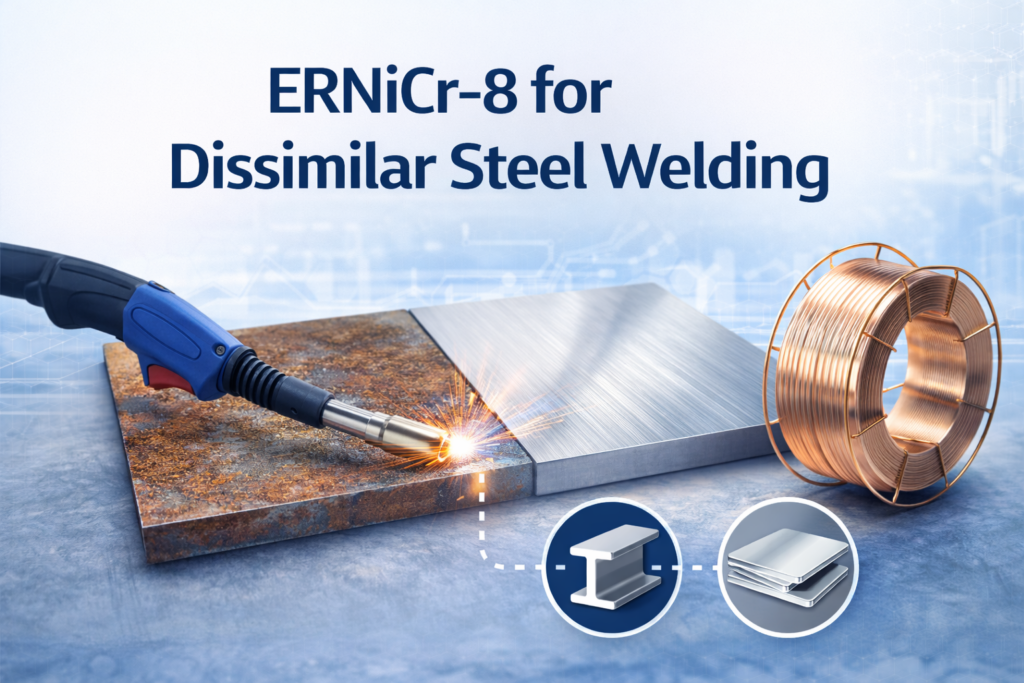
Application of ERNiCr-8 Welding Wire in Dissimilar Steel Welding

Dissimilar steel welding is widely used in industries where different metals must be joined to meet performance, corrosion, or temperature requirements. In these applications, selecting the right filler metal is critical. ERNiCr-8 welding wire is a reliable choice for joining dissimilar steels because it offers excellent crack resistance, good metallurgical compatibility, and stable mechanical performance in demanding service conditions.

ERNiCr-7 vs Other Nickel Alloy Welding Wires

Choosing the right nickel alloy welding wire is important for weld quality, service life, and long-term cost. Among many options, ERNiCr-7 is often compared with other nickel-based filler metals for demanding industrial welding applications.

But how does ERNiCr-7 differ from other nickel alloy welding wires? And when should you choose it?

ERNiCr-6 vs ERNiCr-3: Which Welding Wire Should You Choose?

When selecting a nickel alloy welding wire, many buyers and welding engineers compare ERNiCr-6 vs ERNiCr-3 before making a final decision. Both are widely used in demanding industries, but they are not interchangeable in every application. The right choice depends on base metal, service environment, mechanical requirements, and corrosion resistance goals.

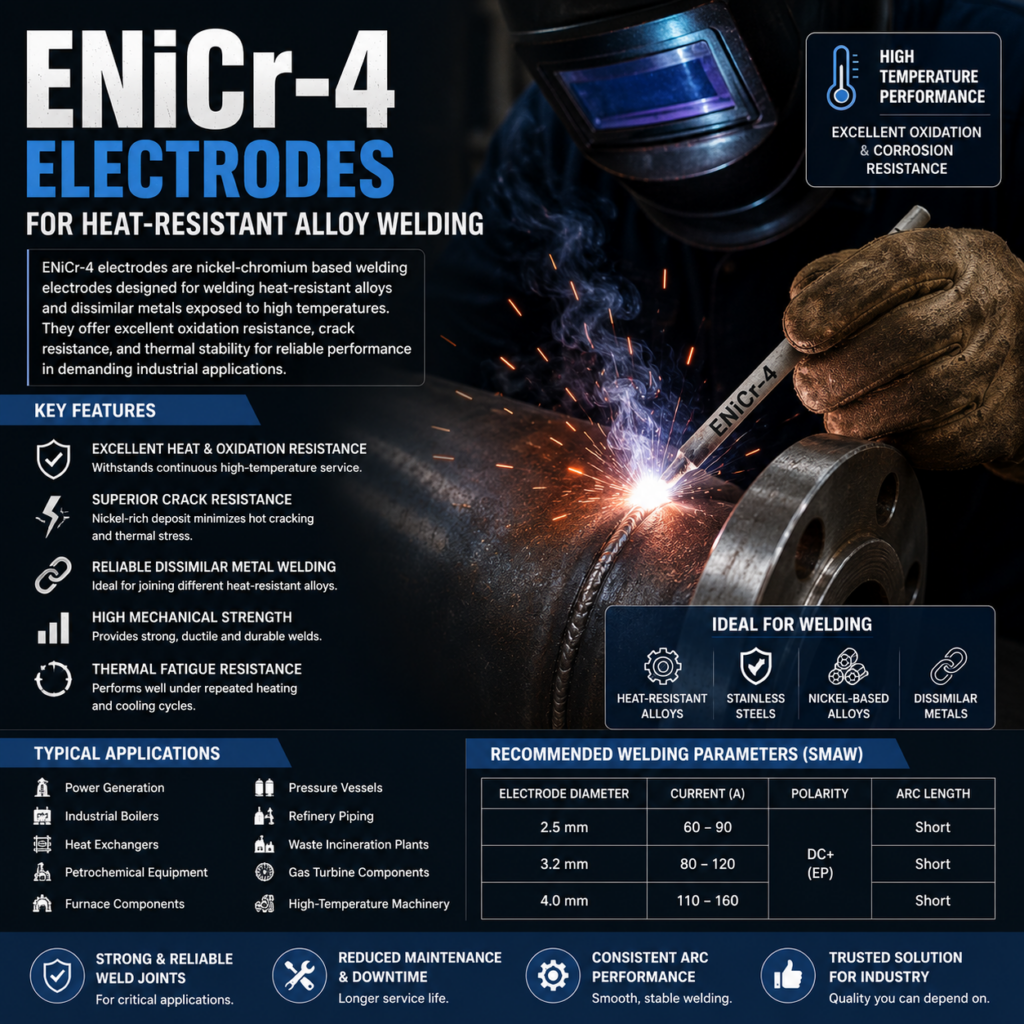
How can ERNiCr-4 welding material meet the requirements of high corrosion resistance in working conditions?

In harsh industrial environments, welding materials must do more than simply join metals. They need to resist corrosion, maintain mechanical stability, and perform reliably under chemical exposure, moisture, and high-temperature service. That is why many engineers and buyers look for nickel-based filler metals when working in aggressive conditions. 

Complete Guide to ERNiCu-8 Welding Wire

ERNiCu-8 welding wire is an excellent filler metal for welding nickel-copper alloys such as Monel, offering superior corrosion resistance, strong mechanical properties, and reliable weld performance.With its ability to withstand seawater, harsh chemicals, and high-stress environments, ERNiCu-8 remains a popular choice in industries like marine engineering, oil and gas, and chemical processing.

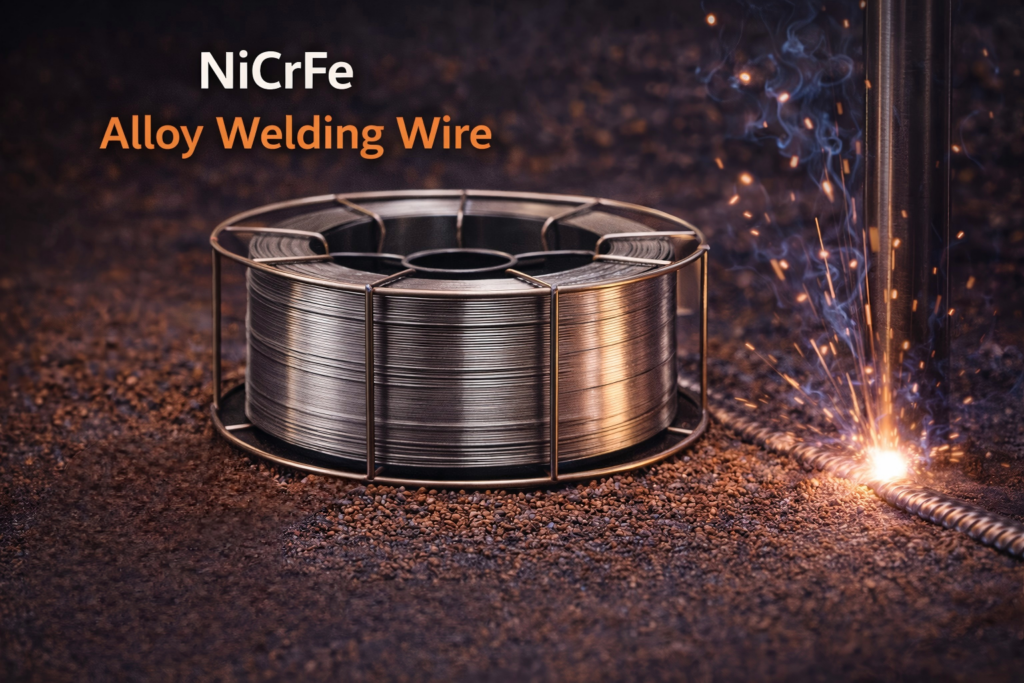
NiCrFe Alloy Welding Wire: Summary

① For extremely harsh environments such as nuclear power plant islands, ERNiCrFe-7A is a proven choice.
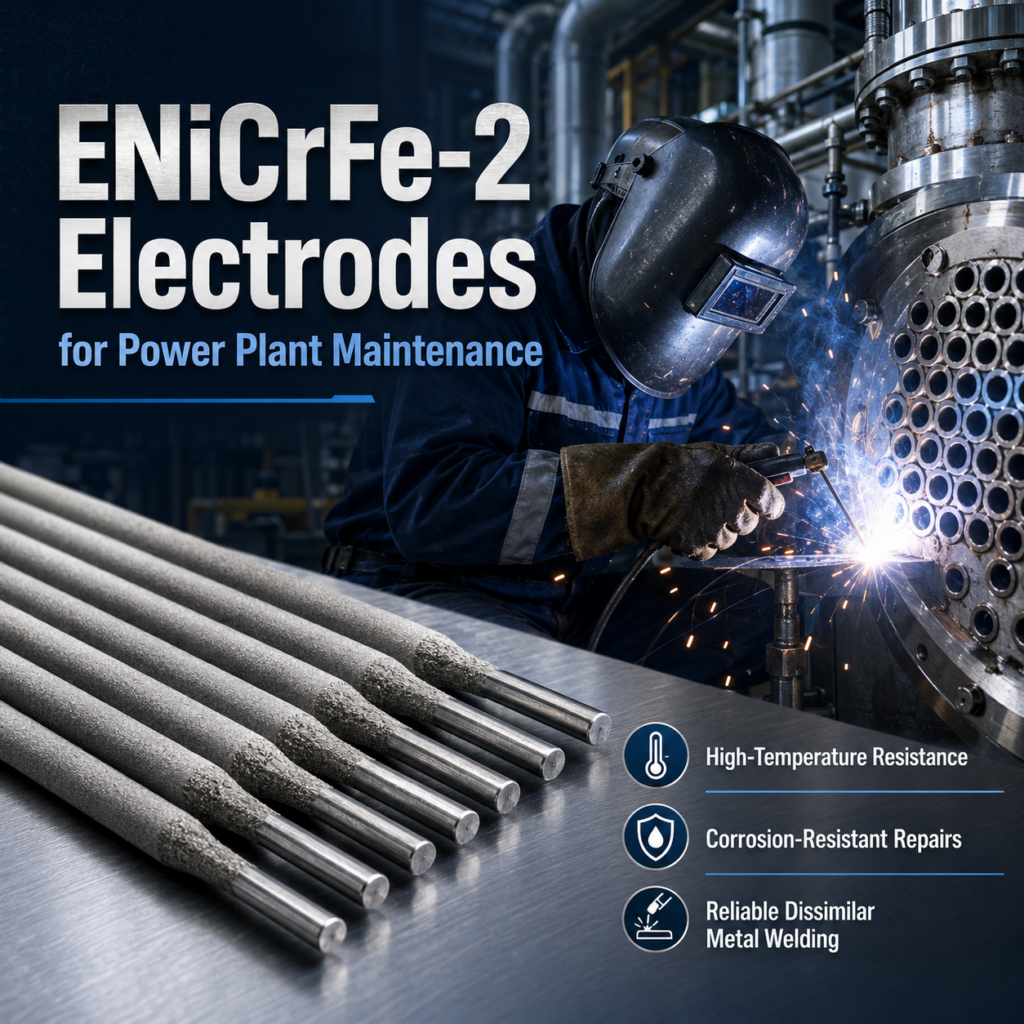
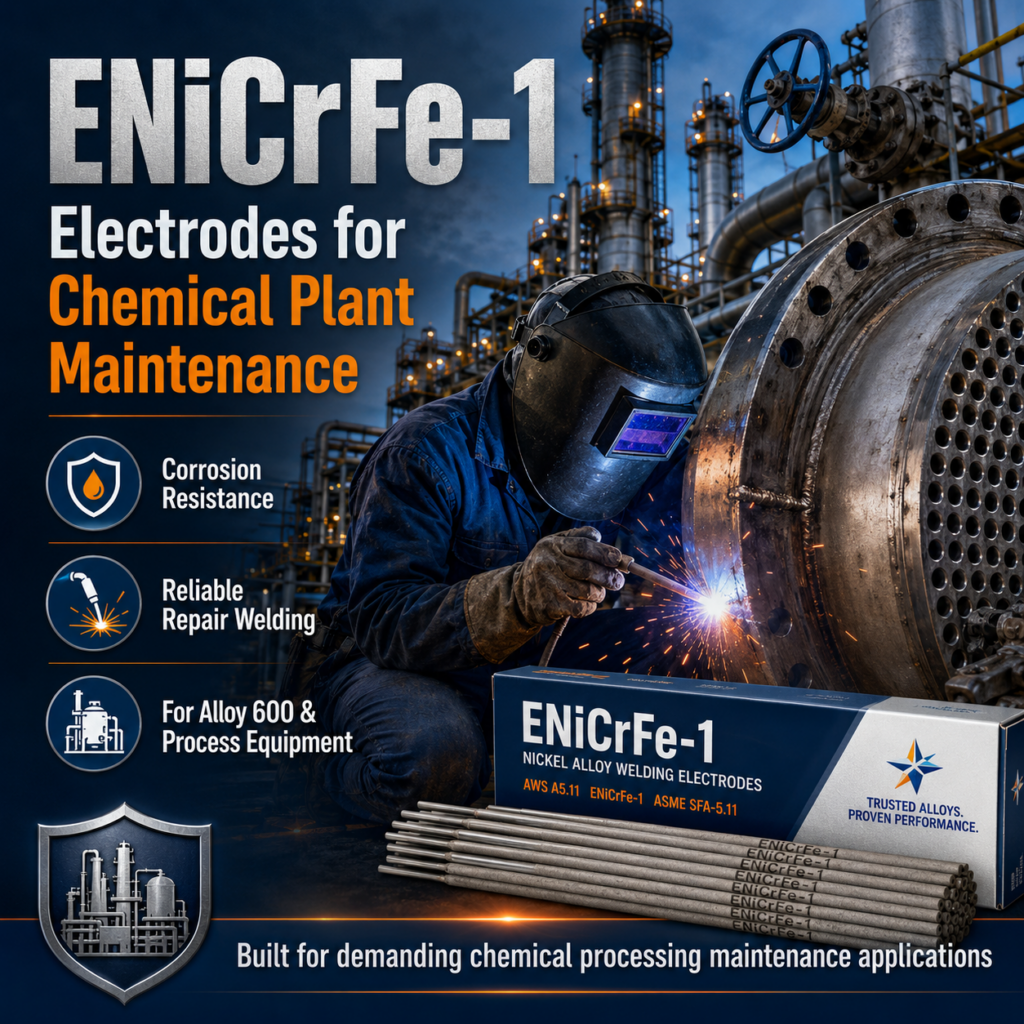
② For common dissimilar steel welding or for cladding corrosion-resistant layers on carbon steel, ERNiCrFe-1 and ERNiCrFe-3 are widely used.
③ If welding specific INCONEL alloys (such as 601 and 690) is required, consider ERNiCrFe-11 and ERNiCrFe-7.

NiCrFe alloy welding wire(2)—nuclear power plant welding material

ERNiCrFe-7 welding wire is a widely used nickel-chromium-iron alloy welding wire, particularly suitable for use in harsh operating conditions such as high temperatures and corrosion. It is often used for welding critical structures such as the main equipment in the nuclear island of nuclear power plants.

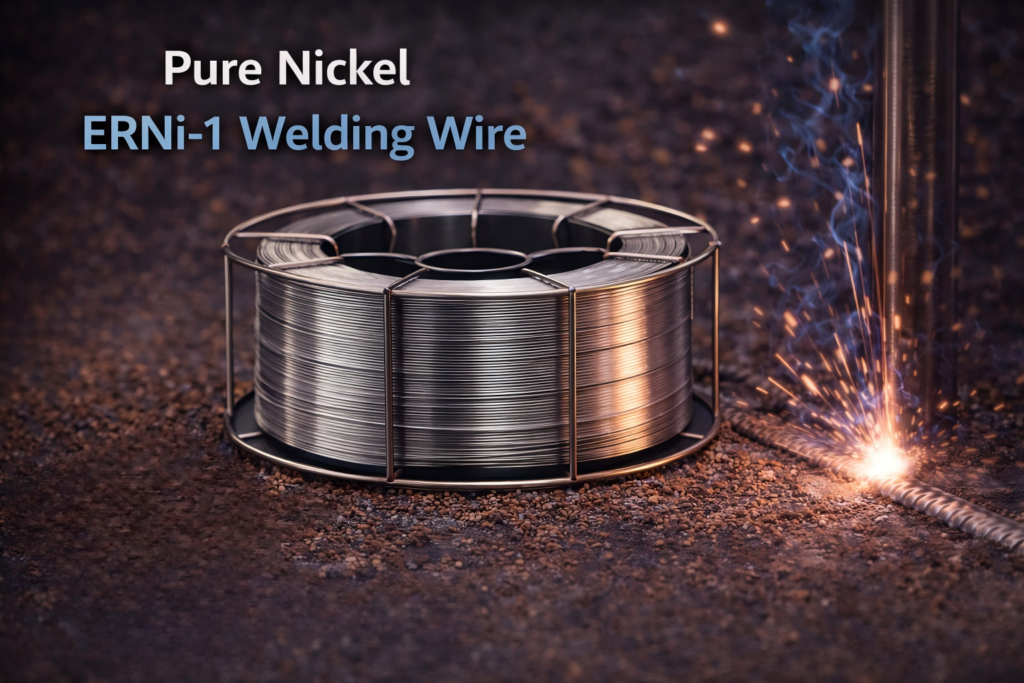
ERNi-1: Pure nickel welding wire

ERNi-1 is a pure nickel welding material, which is very suitable for welding industrial pure nickel and performs well in dissimilar metal joining and corrosion resistance.

❶ Compliant Standards:
US Standard: AWS A5.14 ERNi-1
China Standard: GB/T SNi2061
European Standard: ISO 18274-SNi2061

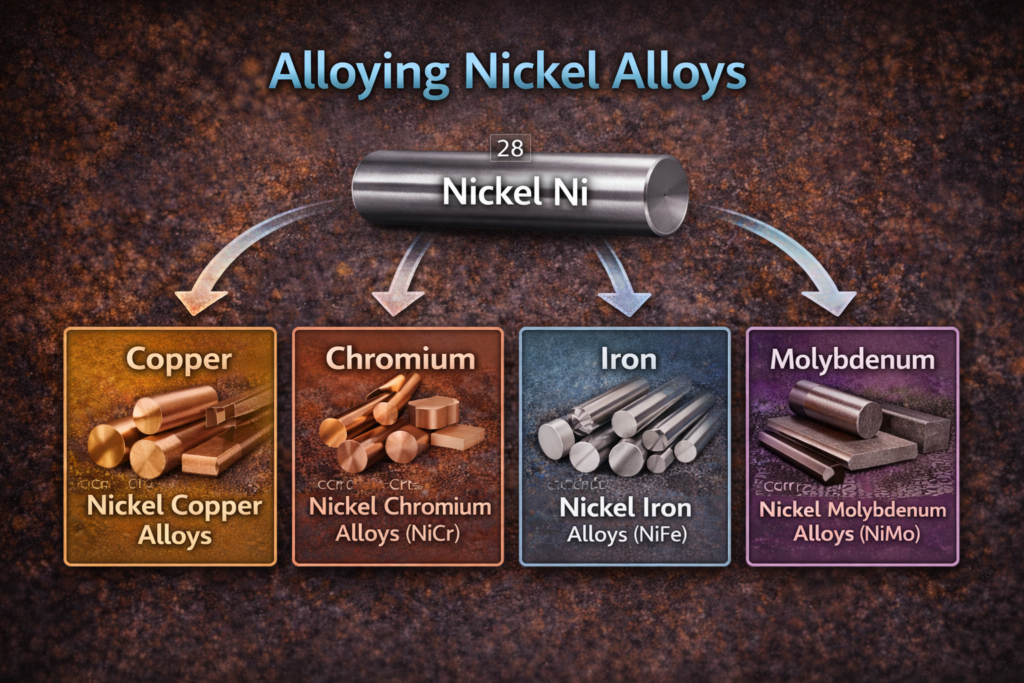
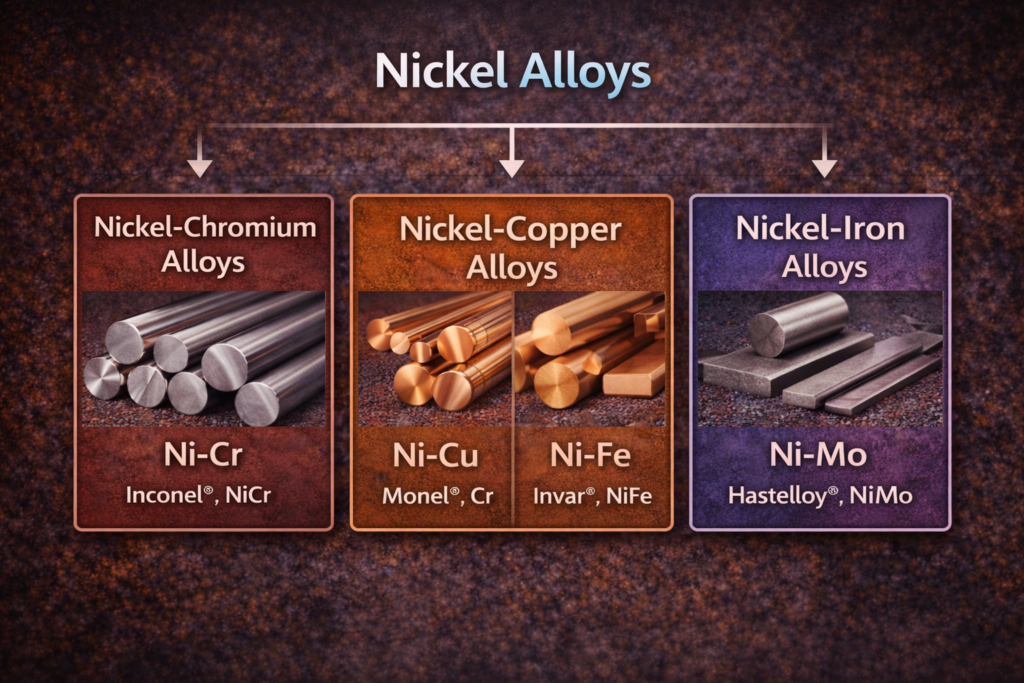
二: Alloying of Nickel and Nickel-Based Alloys

(1) Influence of Sulphur:
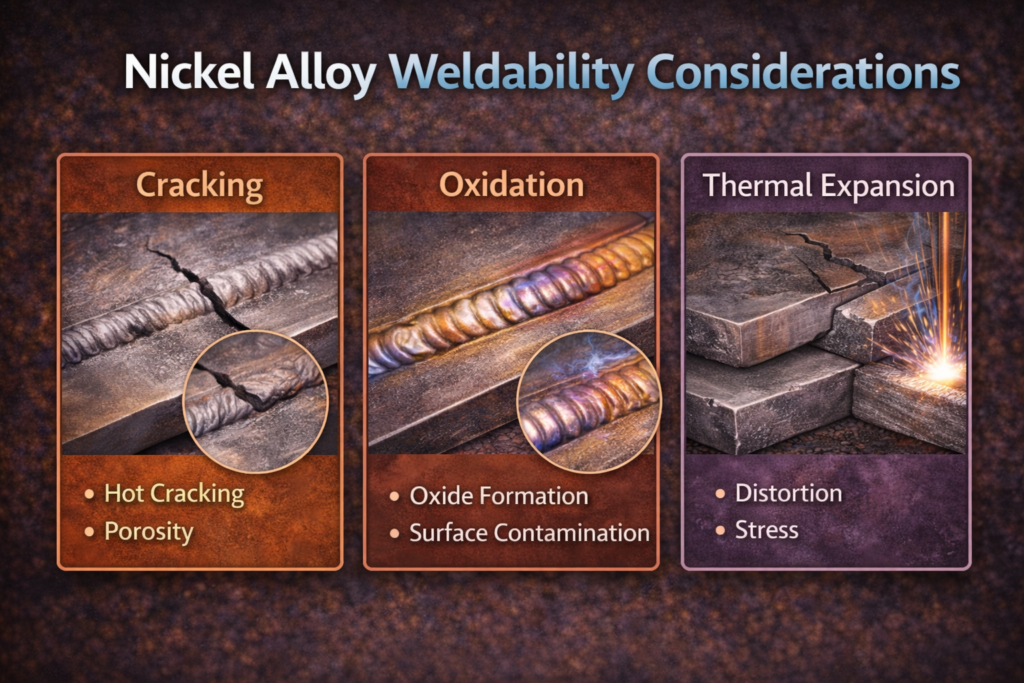
When welding nickel alloys, sulphur exerts a more pronounced effect on the weld metal than in other alloy materials. The primary concern arising from this influence is the issue of crystallisation cracks in the weld metal. 

Summary
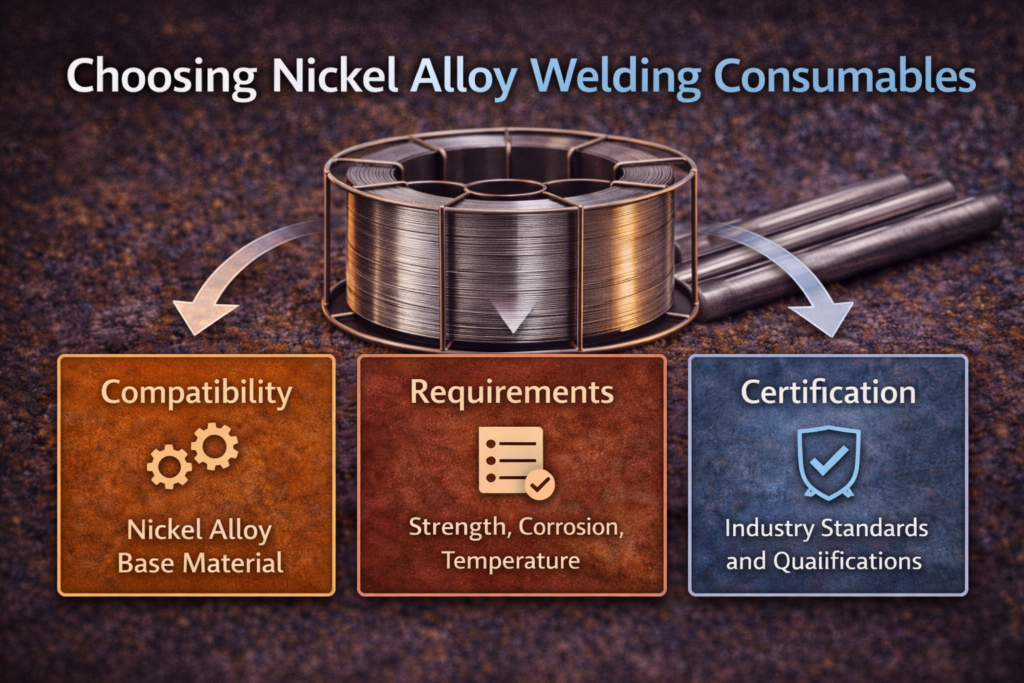
Selecting nickel alloy welding materials is a systematic process that requires:
1. Identifying the base material: Determine the specific grade of the base material to be welded.

2. Understanding the operating conditions: Understand the environmental conditions(temperature, corrosive media) and stress conditions of the joint.
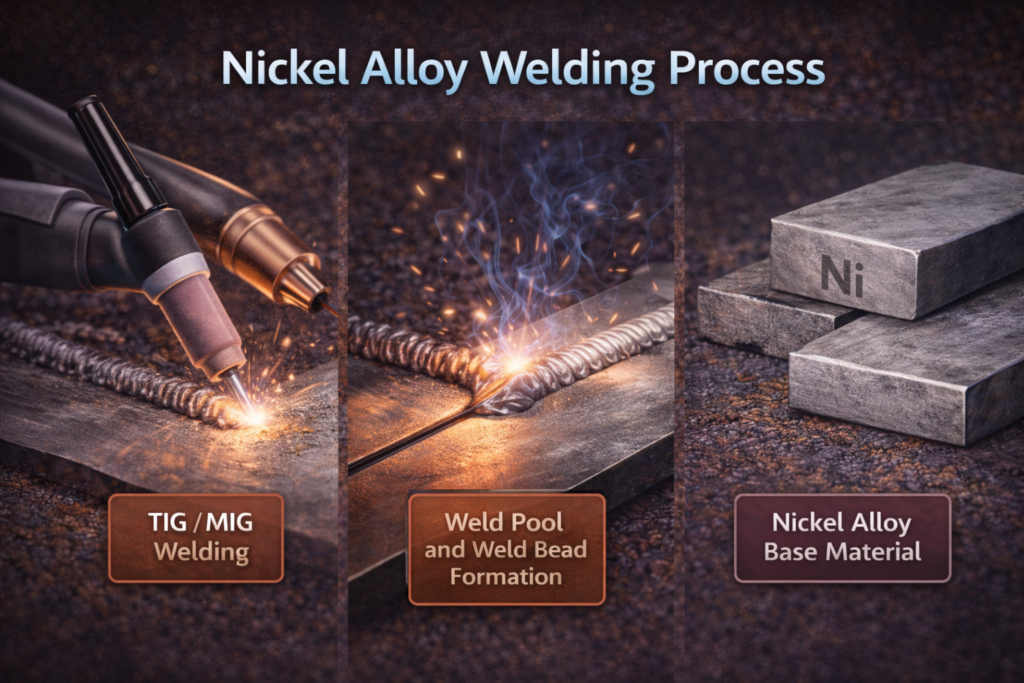
Due to the weldability characteristics of nickel and nickel alloys, the selection of welding processes is crucial for ensuring successful welding of nickel and nickel alloys. Production practice has demonstrated that various methods are available for welding these materials,depending on production conditions and structural performance requirements. These methods include: arc welding, submerged arc welding,TIG,MG, diffusion welding,resistance spot welding, seam welding, and butt welding. Plasma arc welding, electron beam welding, and brazing are also possible. However, tungsten inert gas (TIG) welding and arc welding are more commonly used in production.
During welding, weld metal in nickel and nickel-based corrosion-resistant alloys, as well as nickel-based high-temperature alloys, exhibits significant susceptibility to crystallisation cracking. This is primarily associated with the following factors.

ERNiCrCoMo-1 is a high-performance nickel-chromium-cobalt-molybdenum alloy welding consumable. Its exceptional high-temperature strength, excellent oxidation and corrosion resistance make it a key material for welding high-temperature alloys such as INCONEL 617, as well as for the manufacturing and repair of high-end equipment in the aerospace, energy, and chemical industries. Its successful application relies on rigorous pre-weld cleaning, precise control of process parameters (particularly heat input and interpass temperature), and meticulous attention to welding details.

Important Tip: How to Confirm the Material You Need
There are significant differences between “Ni-Cr-Fe” and “Ni-Fe-Cr.” To ensure you’re selecting the correct material, we recommend the following steps:
1. Verify the Original Technical Documents: Carefully review your original documents, such as drawings, specifications,or purchase instructions. Verify the complete standard number (e.g., the full AWS A5.14 standard) and the base material to be welded (e.g., INCOLOY 825 or INCONEL600).This is the most critical step.